
Since South Australia banned plastic shopping bags in 2009, every state and territory has followed, and most have now banned plastic straws, cutlery and polystyrene too.
Here's what's already gone, when it went, why, and how you can help push for the next round.
Plastic Bans in Australia: What's Already Gone
It started with the humble shopping bag
It is great to see that Australia is finally catching up with other countries in terms of plastic bans, and actually we led the way a couple of times.
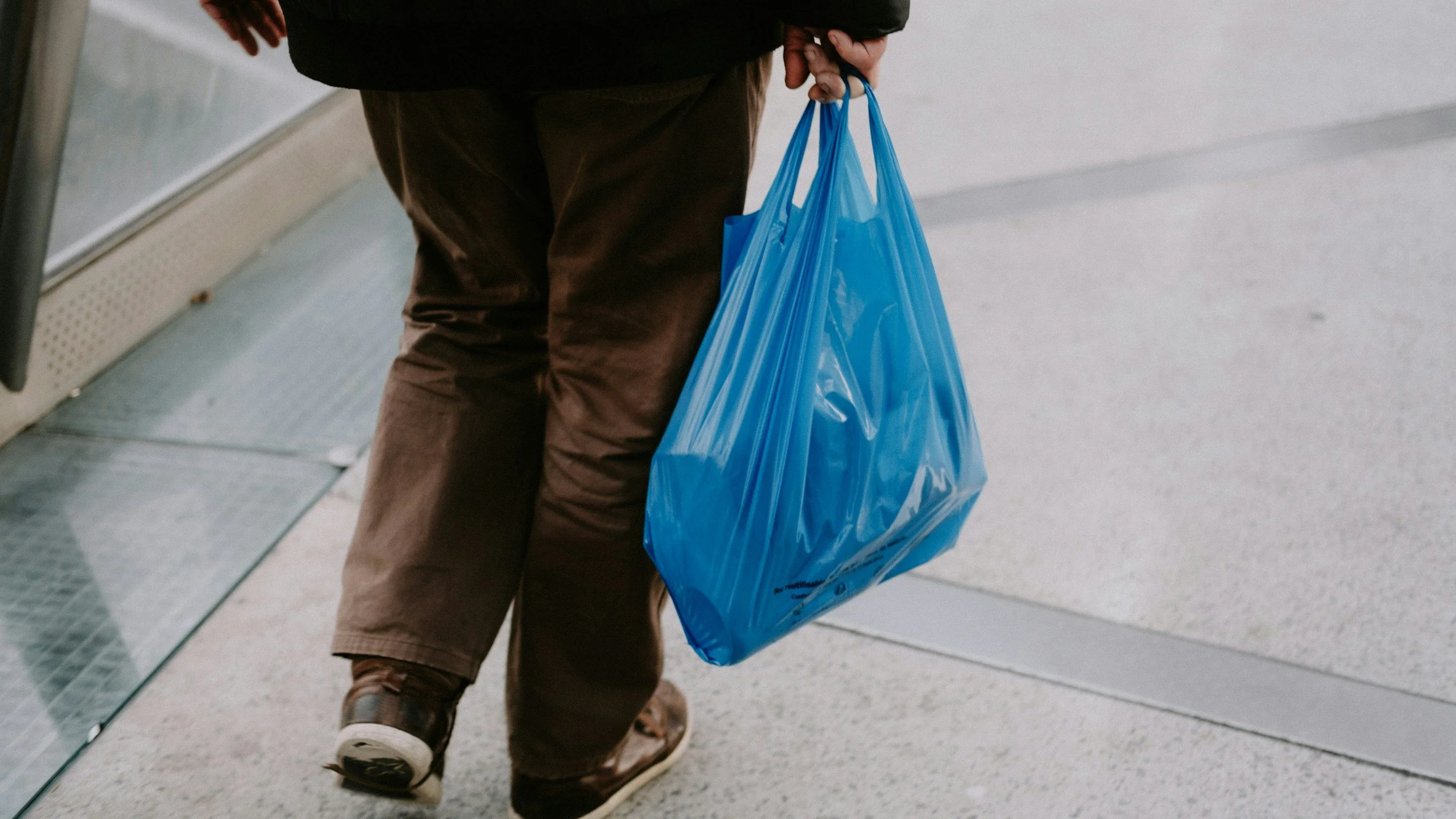
Our lightweight plastic shopping bags were the first to go. They're used for minutes, blow easily into waterways, and an estimated 150 million a year were ending up as litter before the bans took hold.
NSW was the last to act. Since then, several states have gone further and banned thicker "heavyweight" plastic bags as well.
It’s frustrating to see there is no single action at a federal level and its been up to States when they make changes.
Why then?
South Australia went it alone in 2009, after six years of failed talks on a national ban. At the time Australians used about 4.7 billion plastic bags a year, and 80 million became litter (The Globe and Mail).
The big push came in 2018. ABC's War on Waste (2017) put plastic waste on the national agenda, and Coles and Woolworths dropped single-use bags on 1 July 2018, the same day the Queensland and WA bans began.
Queensland's minister pointed to the state having one of the lowest recycling rates in Australia (Corrs). That year China also stopped accepting low-grade plastic scrap, so Australia could no longer ship its waste plastic offshore. Victoria (2019) and NSW (2022) followed once public consultations showed overwhelming support.
When did the bans start?
South Australia - From 4 May 2009
Northern Territory - From 1 Sept 2011
ACT - From 1 Nov 2011
Tasmania - From 1 Nov 2013
Queensland - From 1 July 2018
Western Australia - From 1 July 2018
Victoria - From 1 Nov 2019
New South Wales - From 1 Jun 2022.
Then came straws, and cutlery
The next wave targeted the throwaway items we use once at the takeaway counter. Again, this has varied a lot by state as there is no national plan.
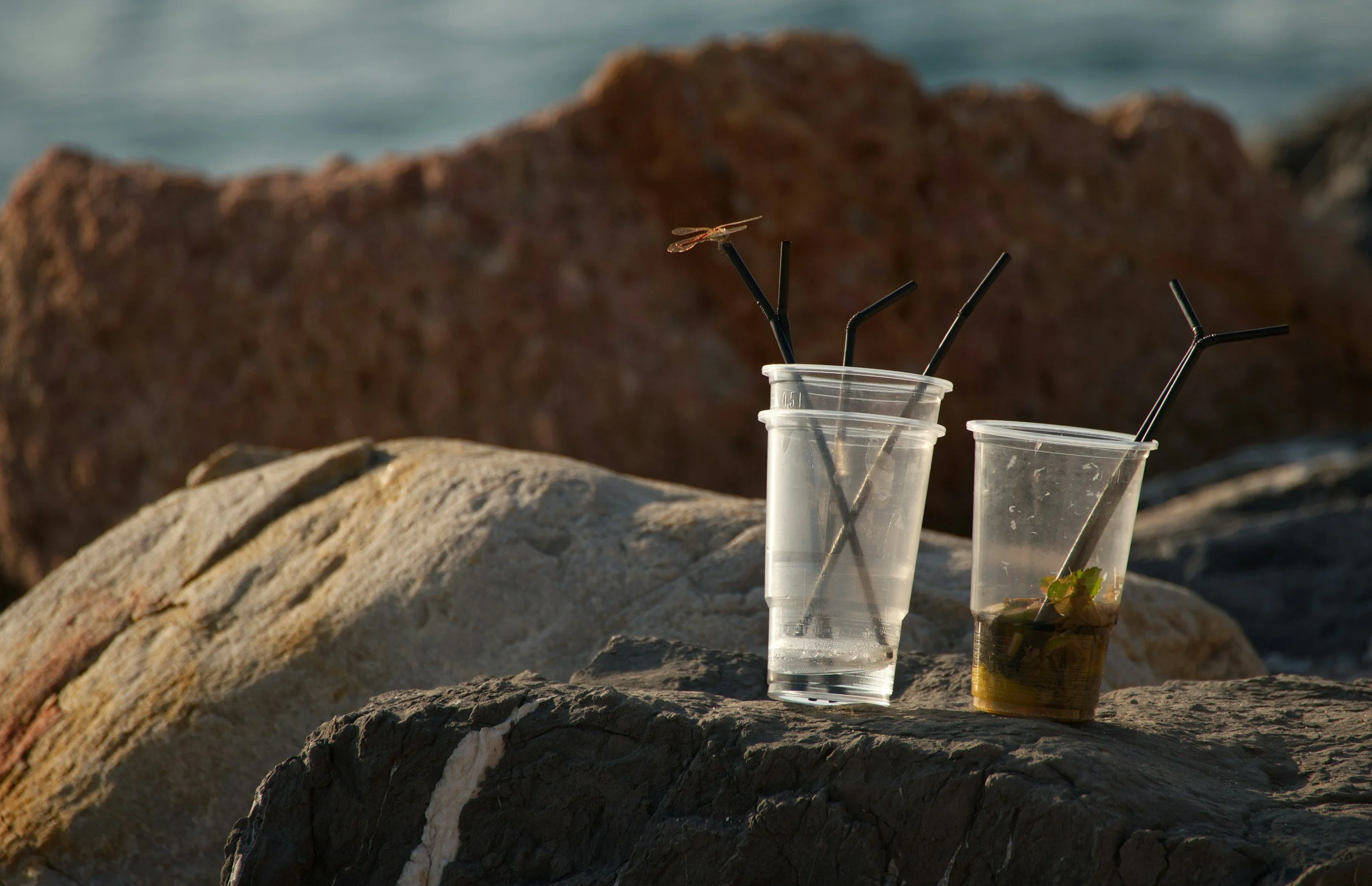
In NSW, single-use plastics make up 60% of all litter, these items are littered about 20 times more than other plastics, and roughly 40% of them end up in the ocean (NSW EPA).
Once there, they break into microplastics that harm wildlife and can enter our food chain.
Tasmania and the Northern Territory are still working on their phase-outs. Tasmania's government is consulting on legislation now (NRE Tasmania).
Straws remain available for people who need them for medical or disability reasons.
Why then?
These bans arrived in a cluster between 2021 and 2023 because governments had committed to them. The 2019 National Waste Policy Action Plan set a goal of phasing out problematic plastics by 2025. In 2021 the National Plastics Plan launched, and environment ministers agreed on eight problem plastics to phase out by 2025, including straws, cutlery, polystyrene and microbeads . The urgency was clear: more than 80% of marine debris found on the Great Barrier Reef is plastic (Packaging Insights).
When did the bans start?
South Australia (1 March 2021)
Straws, cutlery, stirrers; later polystyrene, plates, bowls, cotton buds, coffee cups, produce bags, bread tags and soy sauce fish
ACT (1 July 2021)
Cutlery, stirrers, polystyrene containers; straws and more from 2022
Queensland (1 September 2021)
Straws, stirrers, plates, bowls, cutlery, polystyrene cups and containers
Western Australia (1 July 2022)
Plastic bags with handles, straws, cutlery, plates, bowls, polystyrene, balloon releases; cold cups from October 2022
New South Wales (1 November 2022)
Straws, cutlery, stirrers, plates, bowls, cotton buds, polystyrene, microbeads
Victoria (1 February 2023)
Straws, cutlery, plates, stirrers, cotton buds, polystyrene food and drink containers.
How can you help ban more plastic in Australia?
These bans happened because people spoke up.
In NSW, 98% of 16,000 public submissions backed the phase-out (NSW EPA), and 97% of South Australians surveyed wanted more action (Business SA).
Here's how to add your voice:
Have your say. Watch your state government's consultation page and make a short submission when new bans are proposed. Tasmania is consulting now.
Join a campaign. Groups like the Australian Marine Conservation Society run simple online actions that send your feedback straight to decision-makers.
Write to your local MP. A short, personal email about the items you'd like to see go (fruit stickers, plastic-lined coffee cups, soy sauce fish) carries real weight.
Report breaches. If a shop is still handing out banned items, let your state EPA know.
Vote with your wallet. Every reusable swap you make at home, from coffee to steel straws, shows retailers and governments the demand is there.
Research commissioned by the WWF and the Plastic Free Foundation shows that 85% of Australians want to reduce their use of disposable plastics.
Ready to take the next step and buy some new items?
Look at our other product examples and blogs for inspiration.
We want to be transparent about where our facts and data have come from. In a world of ‘fake news’ and AI, its good to be clear about information, so that you can trust it.
Our sources
Which Australian states are banning single-use plastics, Australian Marine Conservation Society (updated 8 September 2025)
Single-use plastic bans in NSW, NSW EPA
New timetable to ban single-use plastic, Business SA (SA Government)
Delivering a cleaner environment with the ACT's single-use plastic ban, ACT Government, 30 March 2021
Single-use plastic ban, Queensland Government
Western Australia's Plan for Plastics Stage 1, WA Government
Single-use plastics, Victorian Government
About the phase out, NRE Tasmania
Q&A: How South Australia forced a plastic bag ban, The Globe and Mail
Ban the bag and cash for trash: Queensland's new waste laws, Corrs Chambers Westgarth
Banning the bag to reduce plastic pollution, Premier of Victoria
The effectiveness of the plastics management framework, Parliament of Australia
Plastics timeline, Australian Government
Australia pledges to eliminate "killer plastics" by 2025, Packaging Insights