
Chopping boards - supporting better hygiene
Swapping out plastic chopping boards for wooden ones is a simple yet powerful step toward a healthier kitchen and a lower environmental footprint.
Many Australians are making this change as awareness grows about microplastics in our food and the surprising hygiene advantages of properly maintained wood. While plastic was once promoted as more hygienic, emerging research shows that high-quality wooden boards often perform better for everyday food safety when cared for correctly.
Whats the harm?
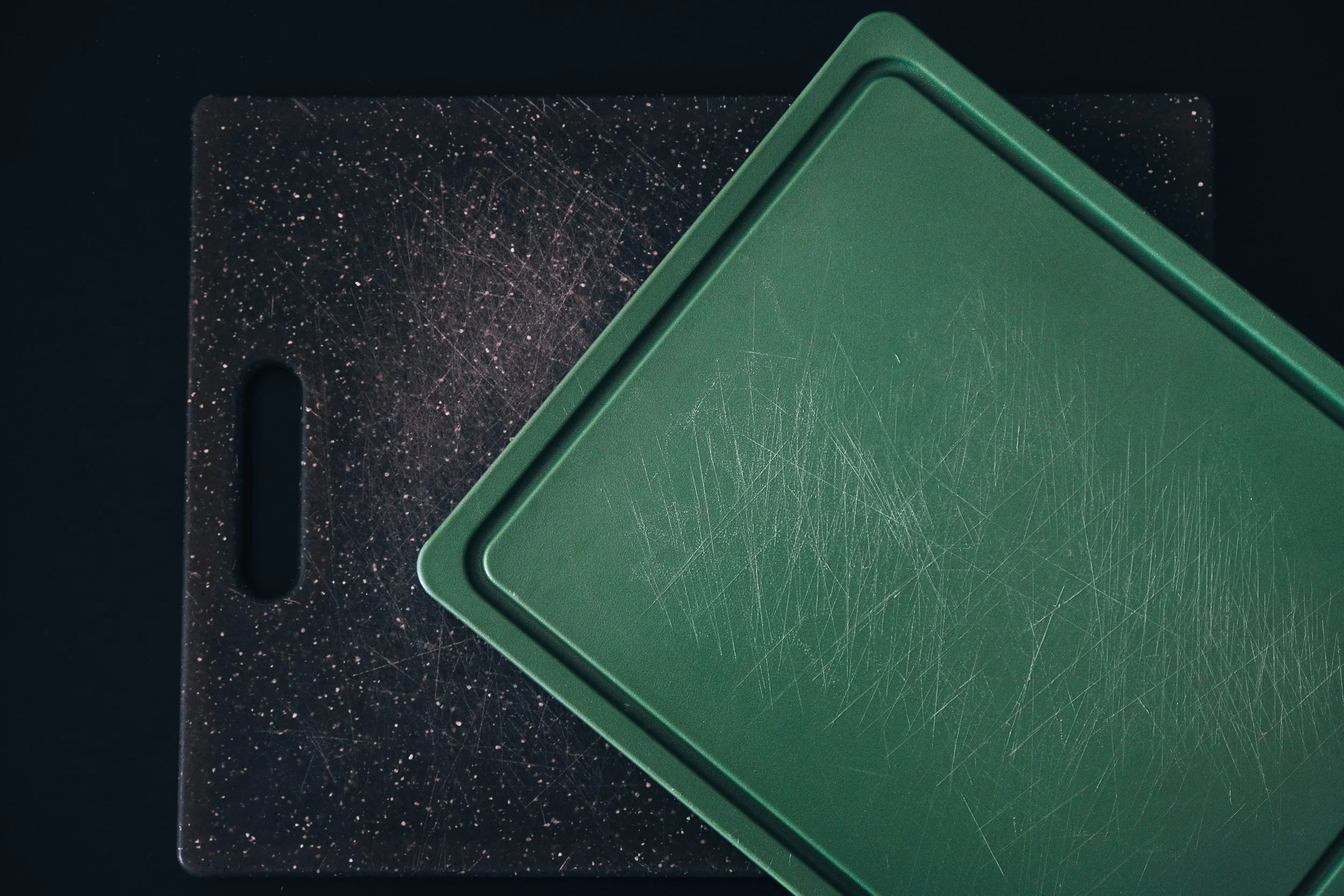
Plastic chopping boards shed microplastics every time you chop, dice, or slice. Studies estimate that regular use of a polyethylene board can release 7.4–50.7 grams of microplastics per person annually (or up to 14.5–71.9 million particles), with even higher amounts from polypropylene boards. These tiny particles can enter your food and, over time, accumulate in the body.
Microplastics have been linked to potential issues like intestinal inflammation, changes in gut microbiome, oxidative stress, and broader concerns around endocrine disruption and chronic inflammation.
In animal studies, diets involving food prepared on plastic boards led to gut inflammation or altered liver metabolism, while wooden boards did not produce these effects.
Wooden boards avoid this entirely. They don’t shed synthetic particles — any wood microparticles released are natural, plant-based, and generally considered far less concerning for digestion.
Health benefits
Swapping to wood from plastic chopping boards means:
No ingestion of microplastics or associated chemicals from the board itself.
Natural reduction of bacteria on the surface when the board dries properly.
Gentler on knife blades, so your knives stay sharper longer (reducing the need for frequent sharpening or replacement).
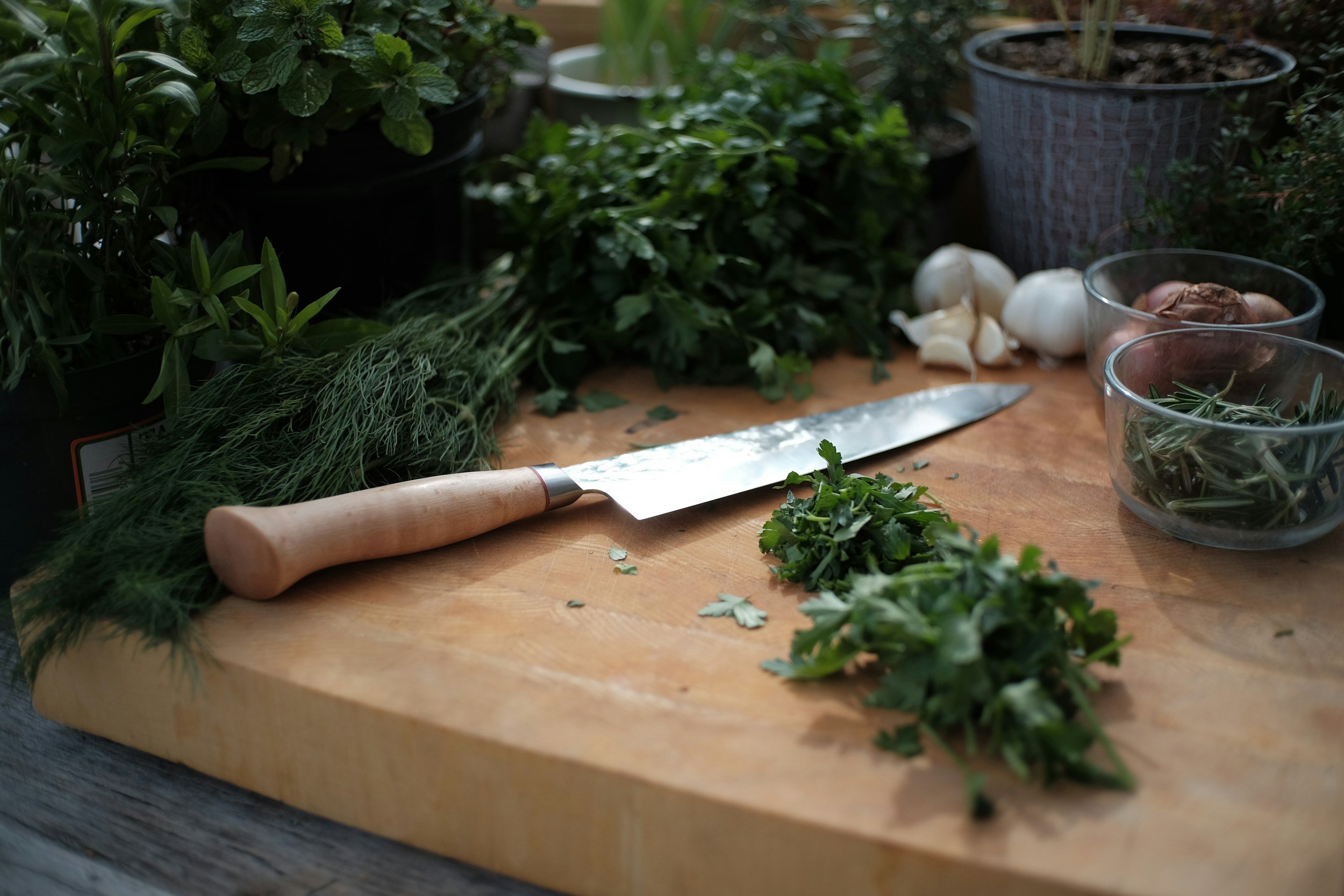
On the hygiene front, wood has natural antimicrobial properties. Hardwoods like maple, cherry, beech, and oak contain compounds such as tannins and lignins that help protect the tree from microbes — and these properties persist in the finished board. When bacteria (e.g., from raw meat juices) land on wood, the porous surface quickly draws them into the grain. As the board dries, many bacteria die off and become unrecoverable from the surface.
Classic research (including a 1994 study by Dean Cliver) found that bacteria inoculated onto wooden boards were often reduced by 98–99.9% or more within hours, while they could linger or even multiply on plastic — especially in the deep grooves that form from knife use. Recent studies on maple boards confirm lower recoverable bacteria counts compared to HDPE plastic after several hours.
Plastic boards, being non-porous, keep bacteria on the surface. Over time, knife scars create hiding spots that are harder to clean thoroughly, increasing cross-contamination risks if not sanitised perfectly every time.

Environmental advantages
Plastic chopping boards are made from fossil fuels and contribute to pollution at every stage — from production to disposal. They’re often not easily recyclable in Australia due to contamination and end up in landfill, where they can take centuries to break down while shedding microplastics into the environment.
Wooden boards, when sourced responsibly, tell a much better story:
Renewable resource — Trees can be replanted. Look for FSC-certified wood or Australian hardwoods from sustainable plantations (e.g., acacia, blackbutt, or spotted gum).
Biodegradable or compostable — At the end of a long life, wood can break down naturally or be repurposed (into garden mulch, for example), unlike plastic.
Longer lifespan — A well-maintained solid wood board can last many years or even decades, meaning fewer replacements and less overall waste.
Lower carbon footprint — Responsible forestry sequesters carbon, and wood requires less energy-intensive manufacturing than virgin plastic.
Choosing wood supports a more circular kitchen and reduces reliance on single-use or short-lived plastic products.
But - there are some drawbacks. You can’t put them in the dishwasher, they need occasional oiling to prevent cracking (we use grapeseed oil from the local Coles or Woolworths once every 6 months on ours) and they can absorb odours if not cleaned promptly (we notice that with onion). Follow our tips below and you’ll be fine.
Practical tips for wooden chopping boards
Clean them promptly. Wash by hand with hot soapy water after each use. Rinse and dry upright or on edge immediately — never leave wet. This allows the wood to dry fully so bacteria die off.
Oil regularly. Use food-grade mineral oil, fractionated coconut oil, or a dedicated cutting board oil (avoid olive oil as it can go rancid). Apply when the board looks dry. Rub in, let it absorb, then wipe excess.
Have a separate board for meat. We found this easier to manage and it reduces the risk of cross contamination. We just got a small board for chicken.
Sanitise. For extra cleaning, use a vinegar solution or a paste of salt and lemon. Some people air the board in sunlight occasionally.
Replace. If the board develops deep cracks or excessive grooves that can’t be sanded smooth, it’s time for a new one (we’ve had ours for 7 years, no sign of problems yet ;).
Recommended products…
Davis & Waddell Acacia Wood End Grain Cutting Board
Ideal for cutting/presenting/serving food.
Durable and safe to use with most knife blades. Dimensions: 50cm x 35cm x 4cm
Babilonia Heavy Duty Acacia Wood Chopping Board
Heavy Duty Edge Grain Wooden Chopping Board with Juice Groove & Handles.
Hardwood Butcher Block & Charcuterie (Oil & Plate Included)
Lifemax Acacia Wood Chopping Boards 3-Piece Set
Thick Wooden Cutting Boards with Deep Juice Grooves & Handles – 40x30cm, 33x24cm, 26x18cm – for Kitchen, Meat, Fruit & Cheese
Disclaimer: As an Amazon Associate, we earn from qualifying purchases.
To help us with the cost of setting up and running this website, in the future we will add direct purchase links to recommended products.
Then we may take a small commission from the businesses, if you choose to buy from them. Thanks for your support!
Our sources
We want to be transparent about where our facts and data have come from. In a world of ‘fake news’ and AI, its good to be clear about information, so that you can trust it.
Chopping boards shed microplastics - https://pubmed.ncbi.nlm.nih.gov/37220346/
Plastic board use on animals - www.ehn.org/microplastics-plastic-cutting-boards
Wooden versus plastic cutting boards and bacteria - www.eatingwell.com/are-plastic-or-wood-cutting-boards-safer-11872146
How long it takes plastic to biodegrade https://www.britannica.com/science/How-Long-Does-It-Take-for-Plastic-to-Decompose