
Kitchen utensils- Time to change?
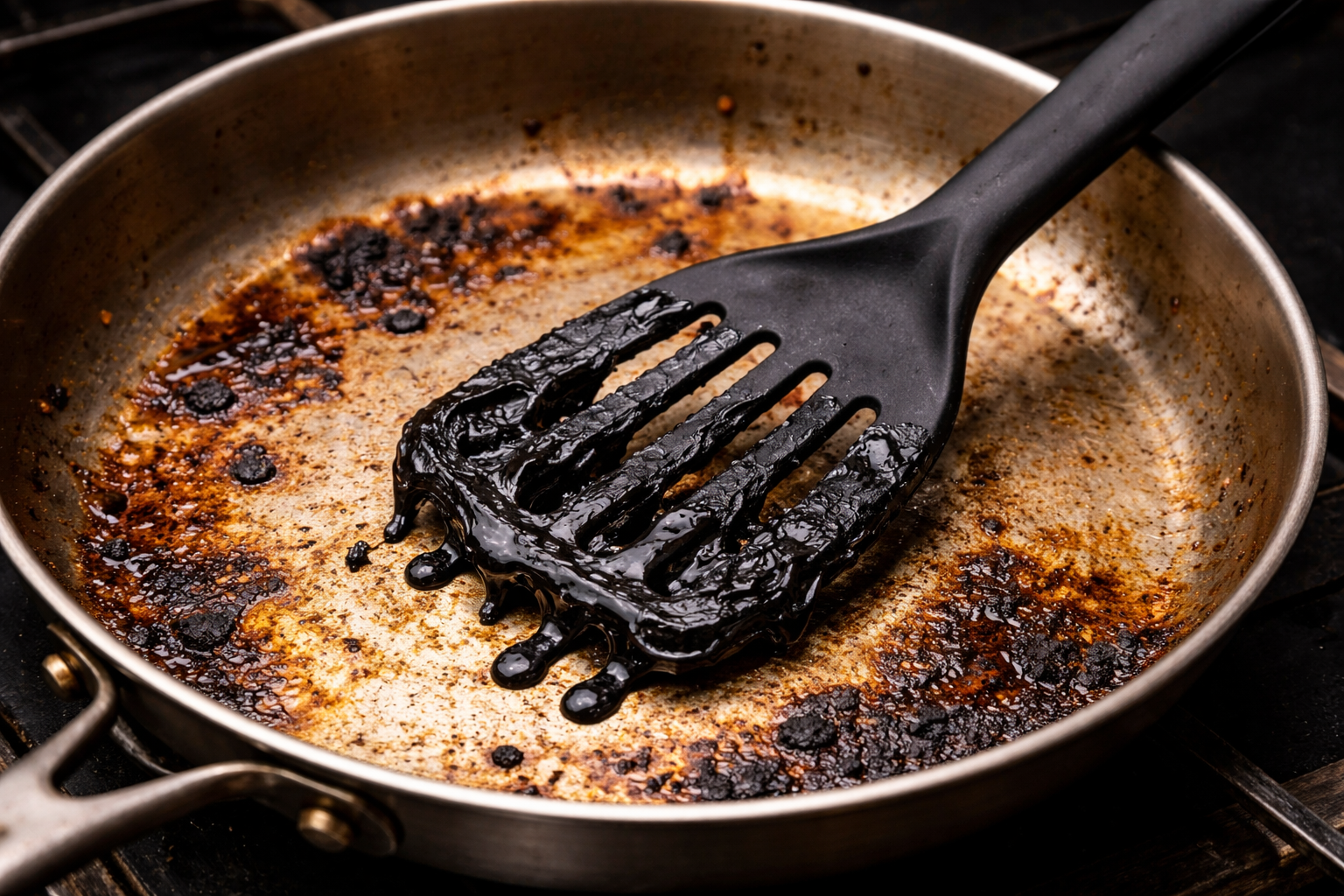
Whats the harm?
From a health perspective, plastic utensils pose risks. When exposed to heat—for example, during cooking or dishwashing—certain plastics can release chemicals like bisphenol A (BPA) or phthalates leaching into food.
Even BPA-free options may contain substitutes with similar concerns, potentially leaching into food and accumulating in the body over time.
A 2025 study in Nature Medicine analysed postmortem samples and found microplastic concentrations in the frontal cortex of the brain have increased by about 50% between 2016 and 2024 samples, with polyethylene (frequently used in flexible plastic utensils such as spatulas and serving spoons) being predominant. Brains from individuals with dementia showed even higher concentrations in some analyses. They conclude that the data found is compelling enough for a much larger scale study, but this is yet to occur.
In many kitchens, plastic utensils remain the default —inexpensive, lightweight, and widely available.
Yet as awareness grows around microplastics impact on health, environmental impact, and longevity, wooden alternatives are gaining traction. The shift offers clear benefits worth considering.
Benefits in changing
Wooden utensils, crafted from natural hardwoods such as beech, olive, or maple, contain no synthetic compounds. They resist leaching entirely and benefit from inherent antimicrobial properties, making them a safer choice for daily use.
Swapping to wood also brings great environmental benefits too:
Plastic production relies on petroleum, and most utensils end up in landfills.
A single plastic spatula can take longer than a generation to biodegrade
Wood, by contrast, comes from renewable sources—especially when sourced from FSC-certified forests—and breaks down naturally.
Bamboo, for instance, grows rapidly and sequesters carbon during its lifecycle.
One investment in quality wooden tools reduces waste far more effectively than repeated plastic purchases.
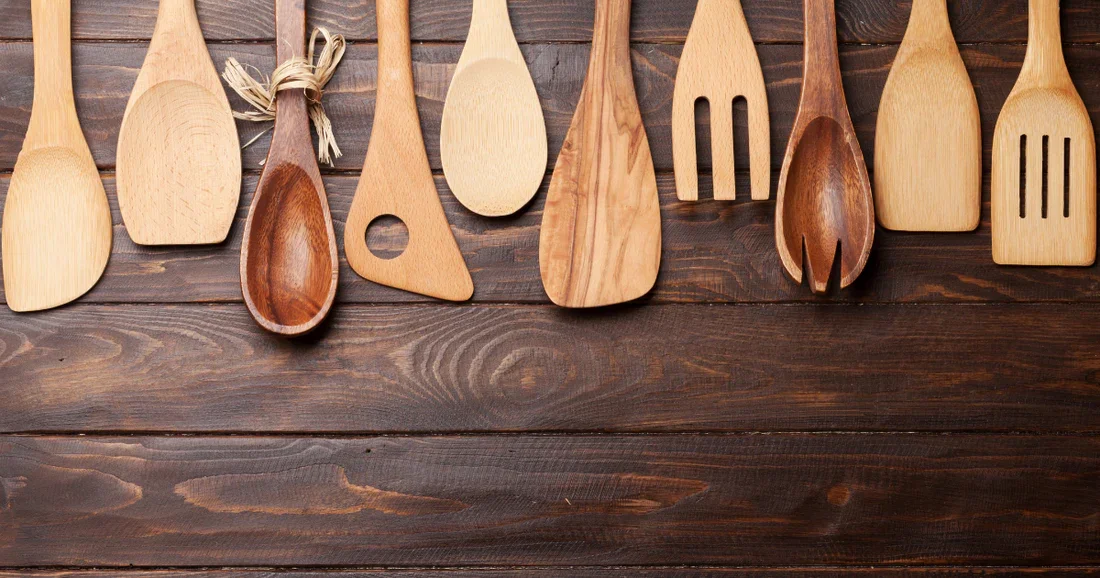
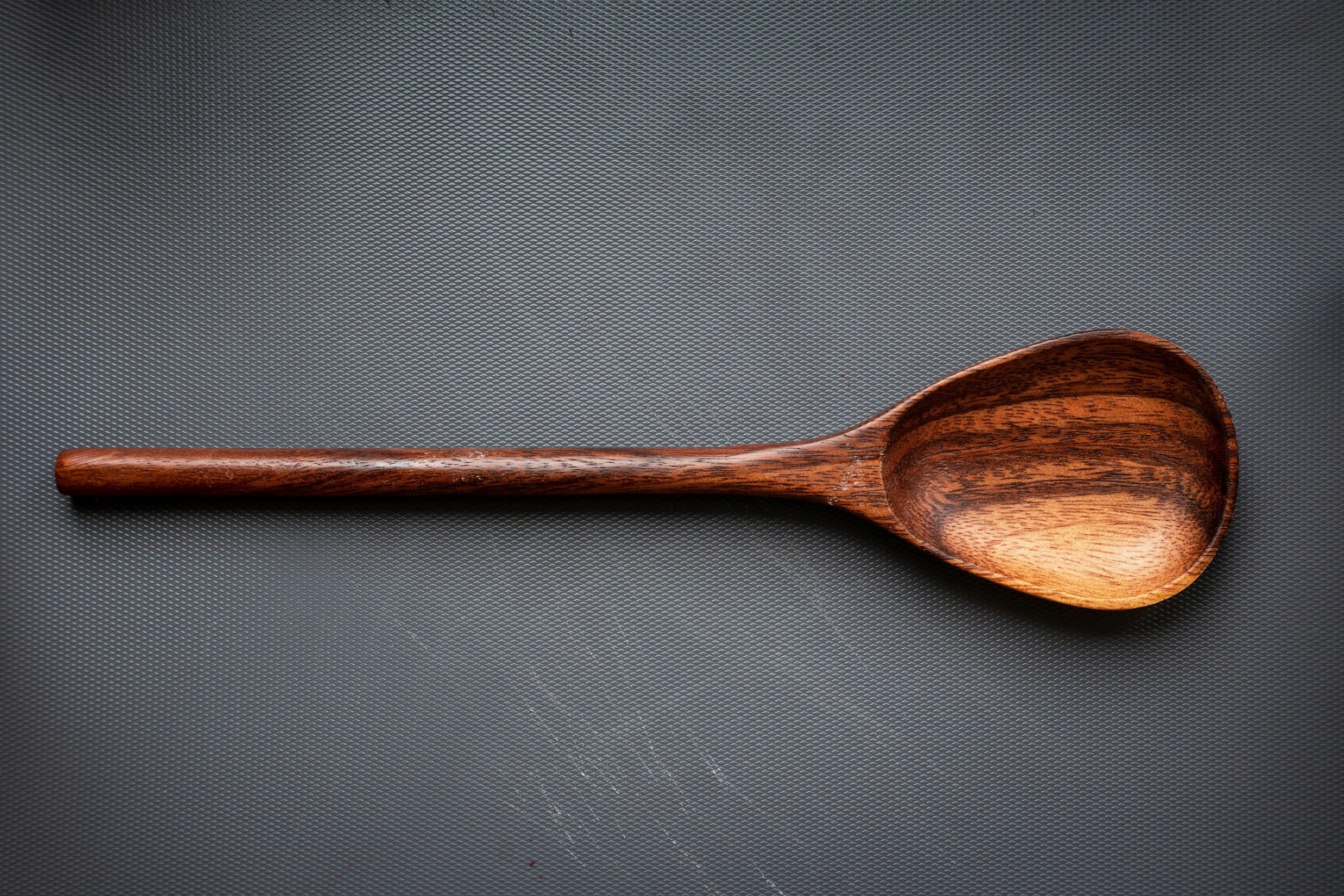
Durability also favors wood. Well-made spoons and spatulas withstand years of use without warping, cracking, or scratching cookware. Over time, they develop a smooth patina, improving grip and feel. Plastic, meanwhile, often deforms under heat, discolors, and fails prematurely—costing more in replacements than it saves upfront.
Aesthetically, wooden utensils bring warmth and character to the kitchen. Their grain patterns and natural hues complement modern or rustic designs alike, elevating your everyday cooking.
Switching to wooden utensils is a practical upgrade. A modest set, chosen thoughtfully, delivers better results for you, your health, and the planet.
If you're ready to go plastic free in your kitchen, wooden utensils are a great place to start.
Practical tips for replacing plastic utensils
Start small, build over time. When we decided to change, we bought a smaller 7 piece set, and then have gradually added individual items to it, as we found we needed. For example, we recently added a wooden soup ladle, for those autumn and winter soups and casseroles!
Wash carefully. Avoid dishwashers to preserve longevity.
Maintain them. Hand-wash promptly, dry thoroughly, and occasionally apply food-grade mineral oil to prevent drying.
Shop Australian where possible. Look for eco brands, support local if you can. Budget friendly options include Amazon, Kmart and BigW, as well as trying second hand in your local Op shop.
Recommended products…
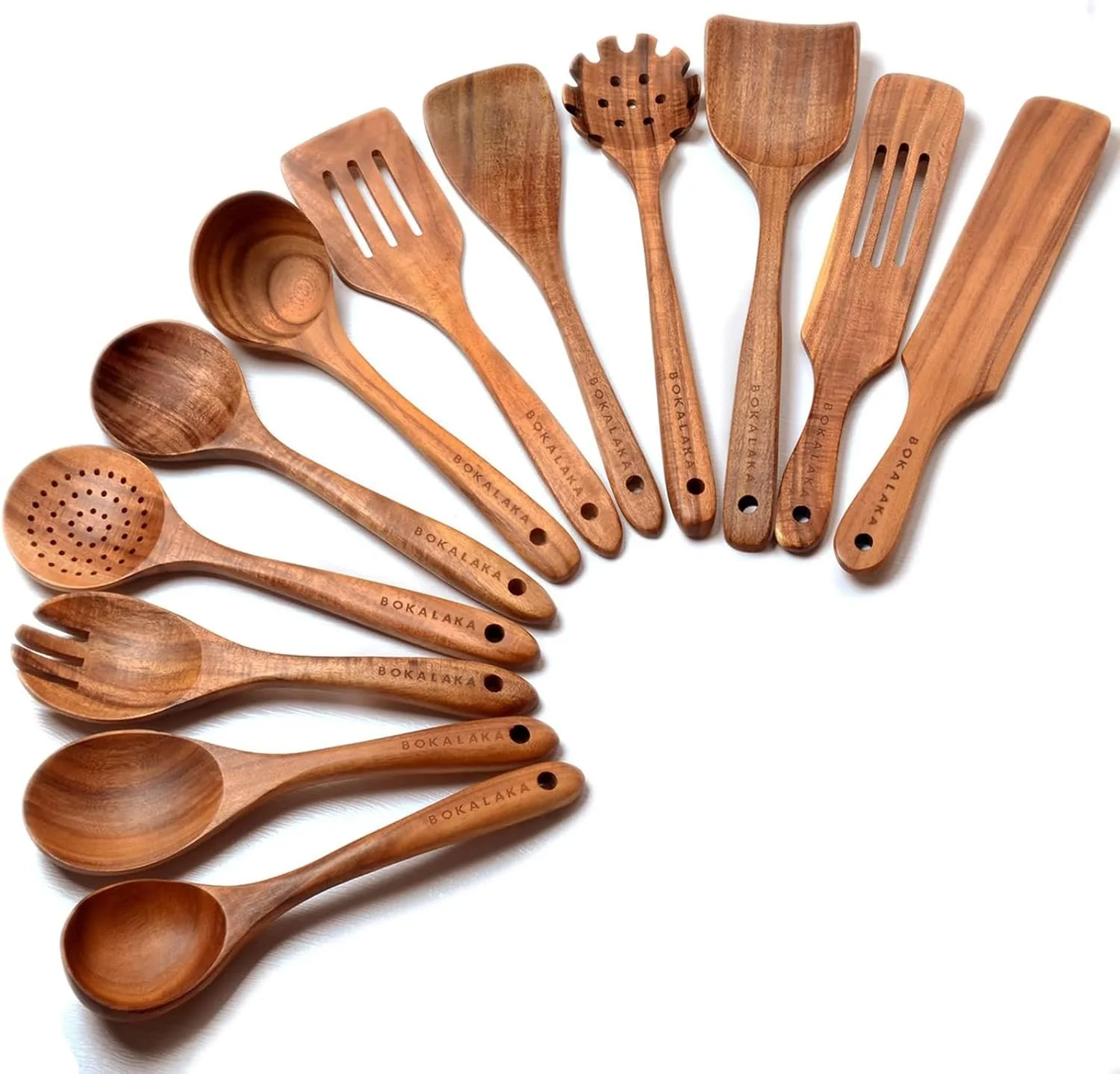
BOKALAKA - Natural Teak Wooden Spoons, 12 Pack Kitchen Utensils Set
Let’s ditch that plastic - Wooden utensils for cooking is made of 100% natural teak wood - a healthy alternative to plastic and rubber utensils which run the risk of melting and leaching into your food. Its a no brainer.
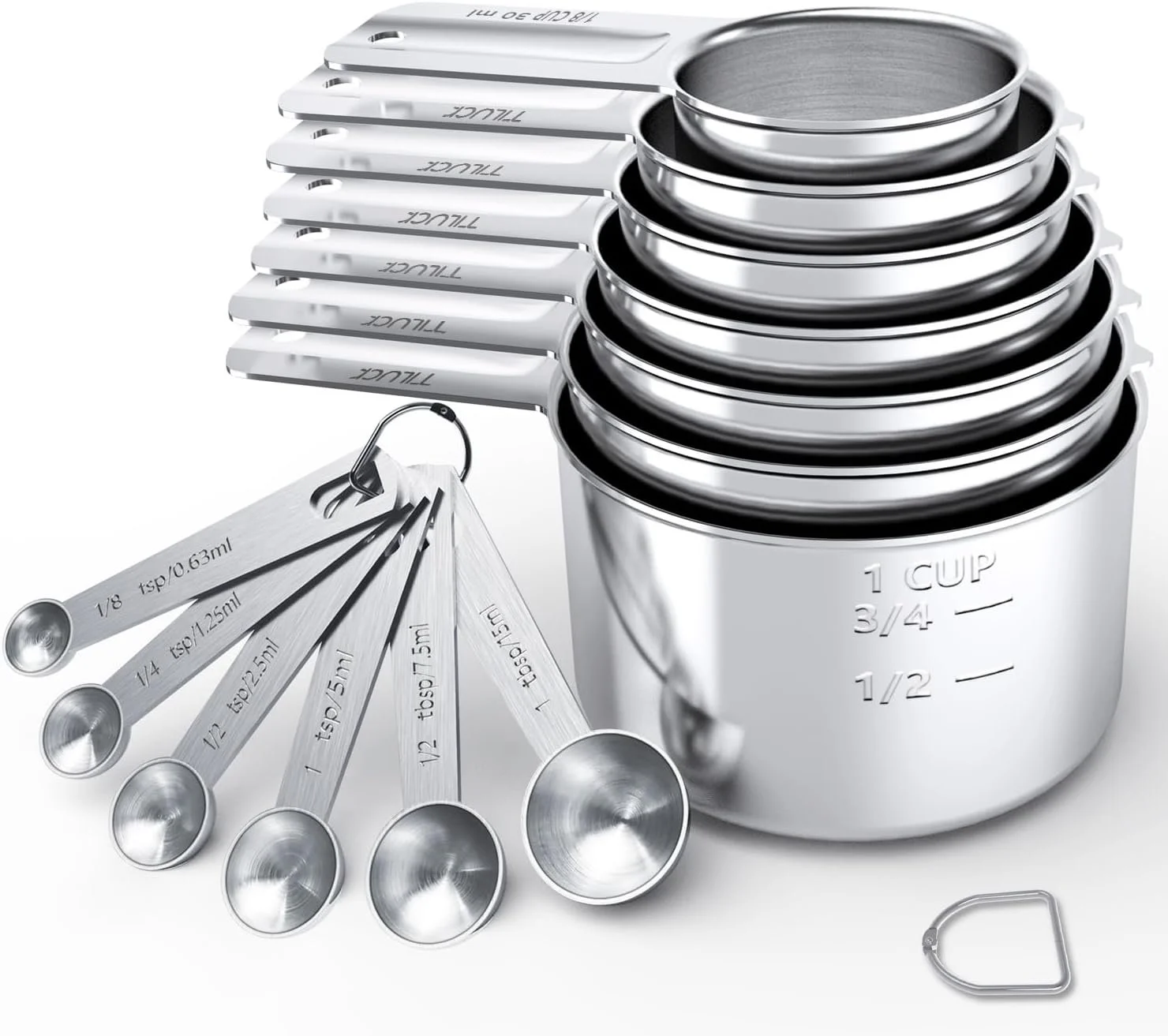
TILUCK - Stainless Steel Measuring Cups & Spoons Set
We ditched our plastic measuring cups and moved to steel and they have been brilliant. They look nice too.
The measuring cups and spoons made of Food-Grade Stainless Steel, a healthy choice over toxic plastics.
7 Measuring cups (1/8, 1/4, 1/3 , 1/2, 2/3, 3/4, 1 cup), 6 Measuring spoons (1/8, 1/4, 1/2 , 1 tsp, 1/2, 1 tbsp).
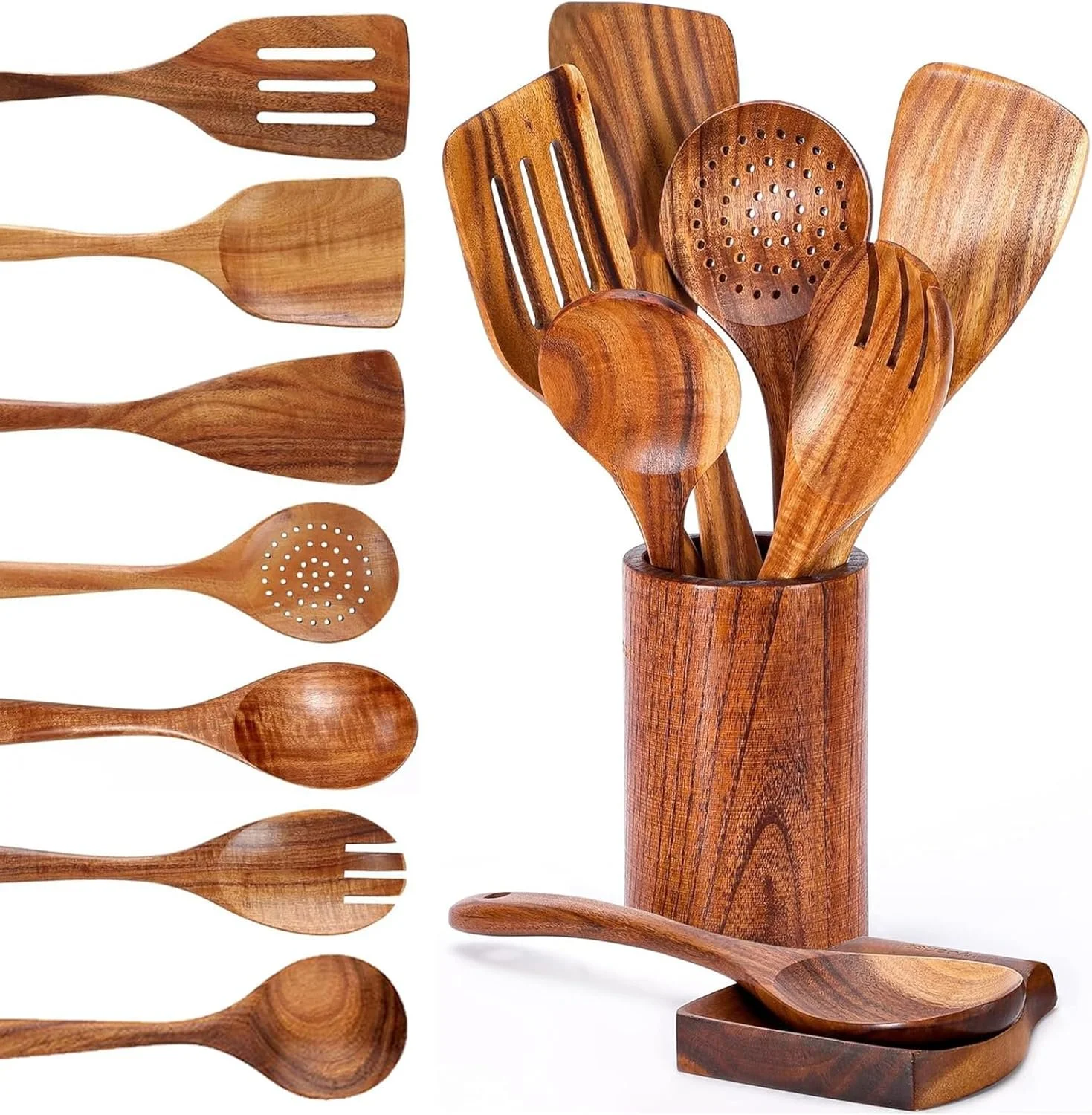
CATZONS 9 Piece Teak Wooden Cooking Utensils
We have been using this set on a daily basis for over a year now, with no issues.
They are made of natural solid teak wood, a healthy, safe and smart choice.
Disclaimer: To help us with the cost of setting up and running this website, in the future we will add direct purchase links to recommended products.
Then we may take a small commission from the businesses, if you choose to buy from them. Thanks for your support!
Our sources
We want to be transparent about where our facts and data have come from. In a world of ‘fake news’ and AI, its good to be clear about information, so that you can trust it.
Plastic utensils leaching chemicals - https://www.sciencedirect.com/science/article/pii/S016041202400326X, https://www.sciencefocus.com/science/kitchenware-hidden-risk-health and https://www.sciencedirect.com/science/article/pii/S0048969720309967
Microplastics found in the brain - https://www.nature.com/articles/s41591-024-03453-1
How long it takes plastic to biodegrade - https://wwf.org.au/blogs/the-lifecycle-of-plastics/, https://www.britannica.com/science/How-Long-Does-It-Take-for-Plastic-to-Decompose
Bamboo as carbon sequester - https://gh-f.org/4-ways-bamboo-is-vital-in-carbon-sequestration/ and https://climate.gov.ph/news/931