
There’s so much plastic in everything, where do you start?
Thinking about reducing plastic in your home but not sure where to begin? You're not alone. The good news is you don't need to overhaul your entire life in a weekend. Here's exactly where to start‚ and why it's one of the best things you can do for your health, your family, and Australia's environment.
Why bother?
Before diving into the how, it helps to understand the why, because it goes much further than just being "good for the environment."
Here's something that might surprise you: plastic isn't just an environmental problem. It's increasingly a personal health issue, too.
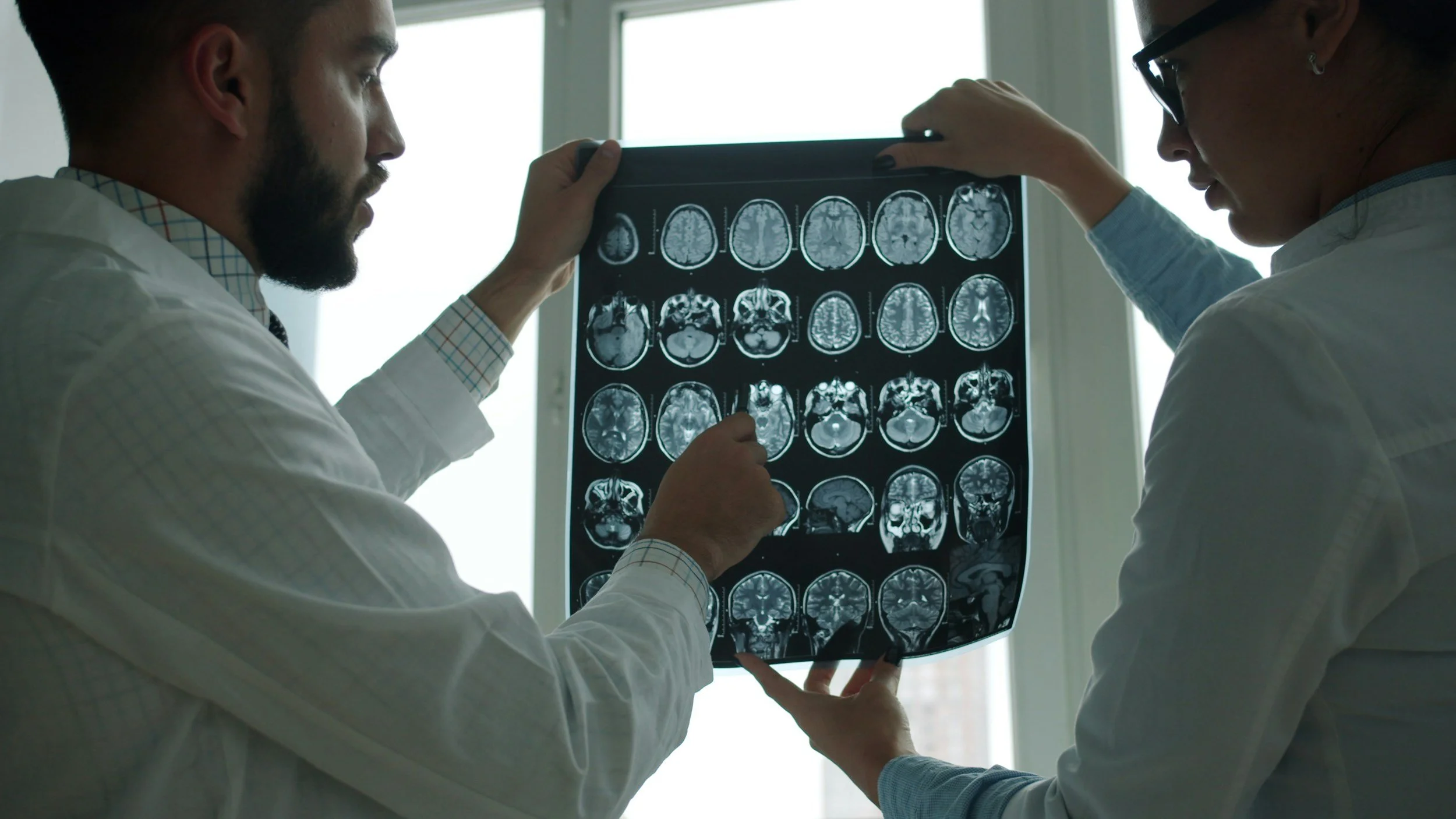
Microplastics‚ tiny fragments of broken-down plastic, have now been detected in human blood, lungs, liver, kidney, and even brain tissue. A landmark 2024 study published in Nature confirmed the presence of microplastics and nanoplastics in human organ tissue, with brain tissue showing particularly high concentrations of polyethylene, the same plastic used in food packaging and plastic bags.
Research published in Environmental Science & Technology in 2024 found evidence linking microplastic exposure to impacts on reproductive health, respiratory health, and digestive function. If you have seen the new Netflix show, “The Plastic Detox”, you will see how effective cutting out plastics can be on fertility.
How does plastic get into our bodies? Largely through what happens in our own homes‚ food stored in plastic containers, plastic wrap heated in the microwave, non-stick pans shedding particles when scratched, and synthetic sponges releasing microplastics every time you scrub. The kitchen is the primary exposure point.
The encouraging news: every swap you make reduces your daily exposure. Every time you refill something instead of buying a plastic container, every time you make a pot of tea rather than use a tea bag, or heat food in glass or ceramic rather than plastic, it all adds up.
The price on our local environment
Australia is the world's #1 consumer of single-use plastic per capita, 60 kg per person every year.
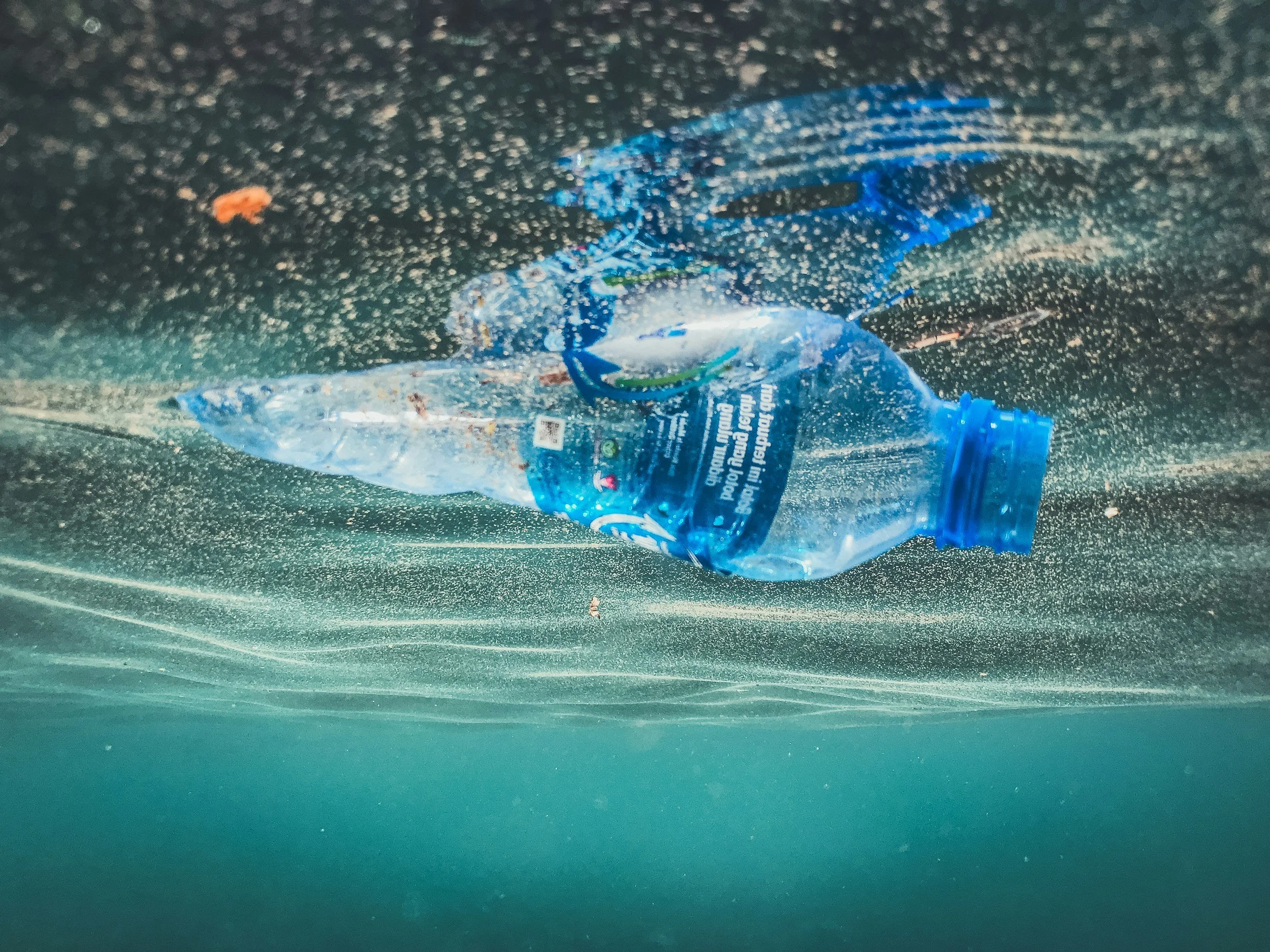
Approximately 130,000 tonnes of plastic leaks into the marine environment in Australia each year, threatening the Great Barrier Reef, our coastlines, and the seafood on our plates.
Australian research has confirmed the presence of microplastics in sediments, indoor air, road dust, freshwater, marine water, and living organisms across the country. Our oceans, our wildlife, and our own bodies are paying the price.
And it largely starts in the home.
Okay, I’m convinced, what’s first?
One important thing worth saying: going plastic-free doesn't mean throwing out everything plastic in your home and replacing it with new stuff. That creates more waste, not less.
Do what we did and start small. We went with the plastic utensils first. Donated ours to our nephew who was moving out into his first shared house (!). And bought a set of 7 wooden teak utensils from Amazon for $38. But you could start with one wooden spoon at $3. It’s up to you and your budget. Add one new swap per week or per month.
Also, wait until your current products run out, or need replacing due to wear and tear, then replace them with a better alternative.
If you want to prioritise, start with the kitchen, that’s the highest impact room. Most of the plastic that ends up in our bodies gets there through our diets. Try to remove things which involve exposing plastic to heat. That’s your cooking and hot drinks.
Switch your plastic chopping board for wood. Research has found that plastic boards can shed particles directly into what we're preparing. A wooden or bamboo board is an easy, affordable swap.
Swap out your cooking utensils. Older plastic spoons and spatulas can leach into the food you cook as they break down. If you must use them, replace them as soon as they start to degrade or if they melt.
Switch to glass or stainless steel food storage. Start by re-purposing glass jars from food you’ve already bought - coffee jars, jam jars etc are free and work brilliantly for leftovers, dry goods, and pantry storage. Then gradually swap out your plastic containers for glass or steel ones, particularly if you start seeing them whiten or flake off.
Think about changing your plastic kettle or coffee pod machine. Heat and plastic do not go well together.
Lots of competitors highlight ditching non-stick cookware. But today, most coatings are much safer, and the research isn’t proven. But if the coating starts breaking down, its safer to replace it. If you can afford cast iron, stainless steel or ceramic, they will be more durable and long lasting.
Shopping - online, at the supermarket or local op shops
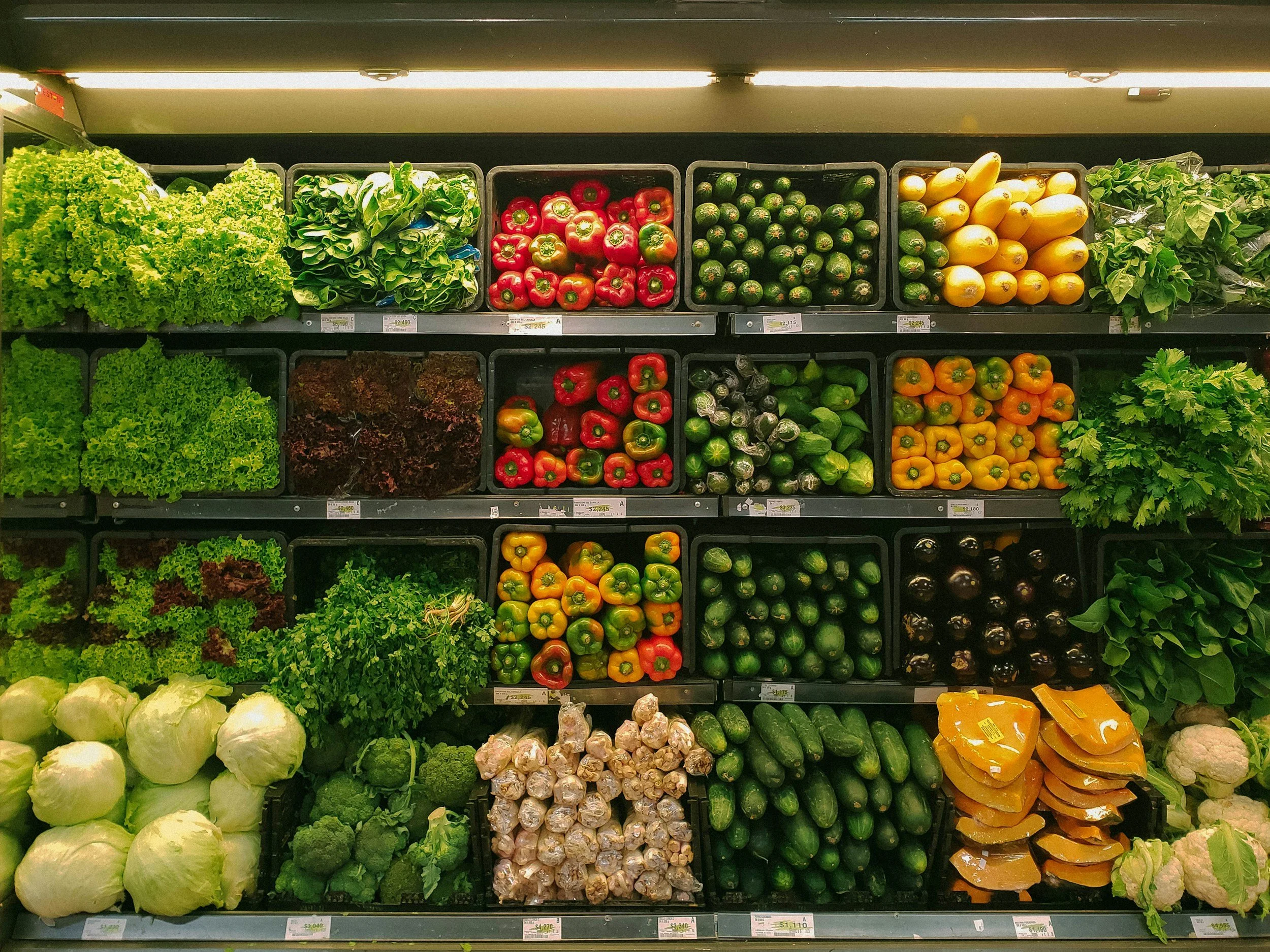
Online shopping is great, as its easy to compare prices and options. But if you don’t want to buy online, start with your next shop at Coles or Woolworths, (or Aldi - we love a special buy at Aldi!). We have all transitioned to bringing our own shopping bags now, reducing millions of plastic shopping bags, which is great. Why not buy loose vegetables or fruit by weight, rather than the ones wrapped in plastic, and place them in a re-usable cloth bag. Won’t cost you any more than a very small weight difference.
Or, you could purchase a reusable water bottle, or a glass container from your supermarket - they often have special offers too. We recently bought the new plant based compostable zip lock bags from Coles. That may be an easy place to start.
Another great alternative is to head to your op shop (charity shop) and buy second hand kitchenware from them. We picked up on awesome cafetière for $5 recently and a great T2 teapot for $10, so we can stop using tea bags (which contain plastic) and go back to loose leaf tea.
Change daily habits
Another area of change is your daily habits, which doesn’t need to cost anything.
Think about when you re-heat leftovers. Transfer your food onto a plate or bowl rather than using any plastic container in the microwave.
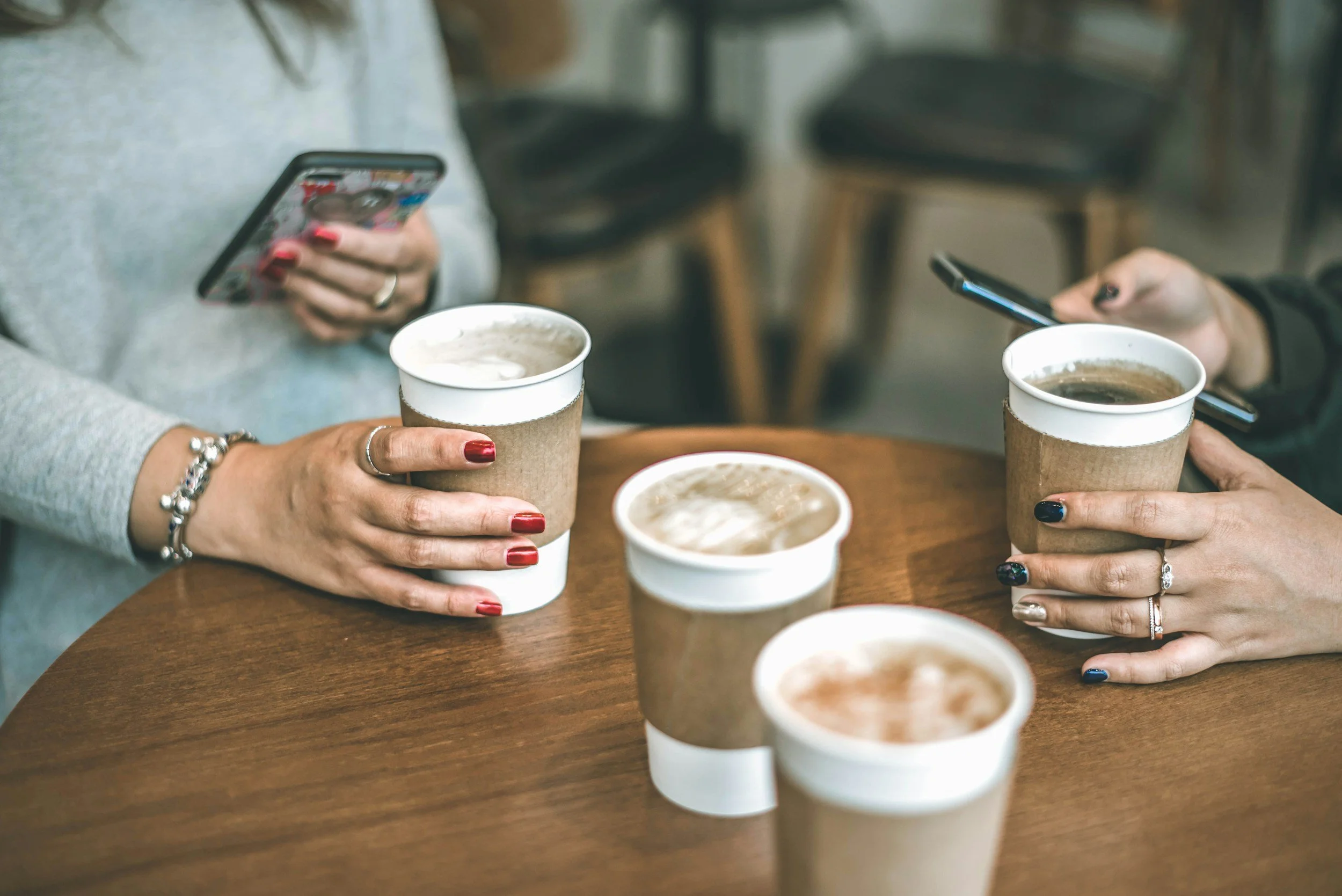
Going out for a coffee? Stay in and enjoy it, rather than using a takeaway cup. Australia uses over 1.5 billion single use cups each year! Its one of the worst things for our environment. They can take 30 years to breakdown, due to the plastic lining. If you have to grab and go, bring your own reusable cup, help the environment, and your health. That’s one simple change that can quickly add up.
Use what you have. Replace as things run out. Add one new swap per week or per month. Over time, it adds up.
Research commissioned by the WWF and the Plastic Free Foundation shows that 85% of Australians want to reduce their use of disposable plastics. The desire is there. What most of us need is a clear, manageable starting point.
Your home is the best place to begin. Not because individual action solves everything — it doesn't, and policy change matters enormously — but because the home is where you have the most control, where the health benefits are most direct, and where small changes compound into meaningful habits.
Look at our other product examples and blogs for inspiration.
We want to be transparent about where our facts and data have come from. In a world of ‘fake news’ and AI, its good to be clear about information, so that you can trust it.
Our sources
Australia’s plastic usage - Australian Government DCCEEW National Plastics Plan Summary
Microplastics in humans - https://magazine.hms.harvard.edu/articles/microplastics-everywhere, New England Journal of Medicine (2024) — microplastics and cardiovascular events;
Nature (2024) — microplastics in human organ tissue, https://www.mdpi.com/2673-8929/4/2/23Plastic pollution in Australia - ScienceDirect — Microplastics Pollution in Australia (2025)
How long it takes plastic to biodegrade - https://wwf.org.au/blogs/the-lifecycle-of-plastics/
Coffee cup statistics - https://www.sustainability.vic.gov.au/recycling-and-reducing-waste-at-home/avoid-waste/minimise-single-use-items/disposable-coffee-cups
Research into Australians desire to reduce plastic use - www.sciencedirect.com/science/article/pii/S0921344925002083