
How Much Plastic Does the Average Australian Household Use?
If you've ever wondered whether your household's plastic use really makes a difference, the numbers might surprise you — and if you're Australian, they're particularly confronting.
Let's start with the stat that should stop every Australian in their tracks:
Australia has the highest consumption of single-use plastic per capita in the world. On average, each Australian uses around 60 kg of single-use plastic every single year — putting us ahead of even the United States.
That's not a typo. We are, per person, the world's biggest single-use plastic consumers.
And yet, most of that plastic isn't being recycled. According to the Australian Government's own Department of Climate Change, Energy, the Environment and Water (DCCEEW), plastics have the lowest resource recovery rate of any material — just 13%. That means most of the plastic Australians use ends up in landfill, incinerated, or worse, leaking into the environment.
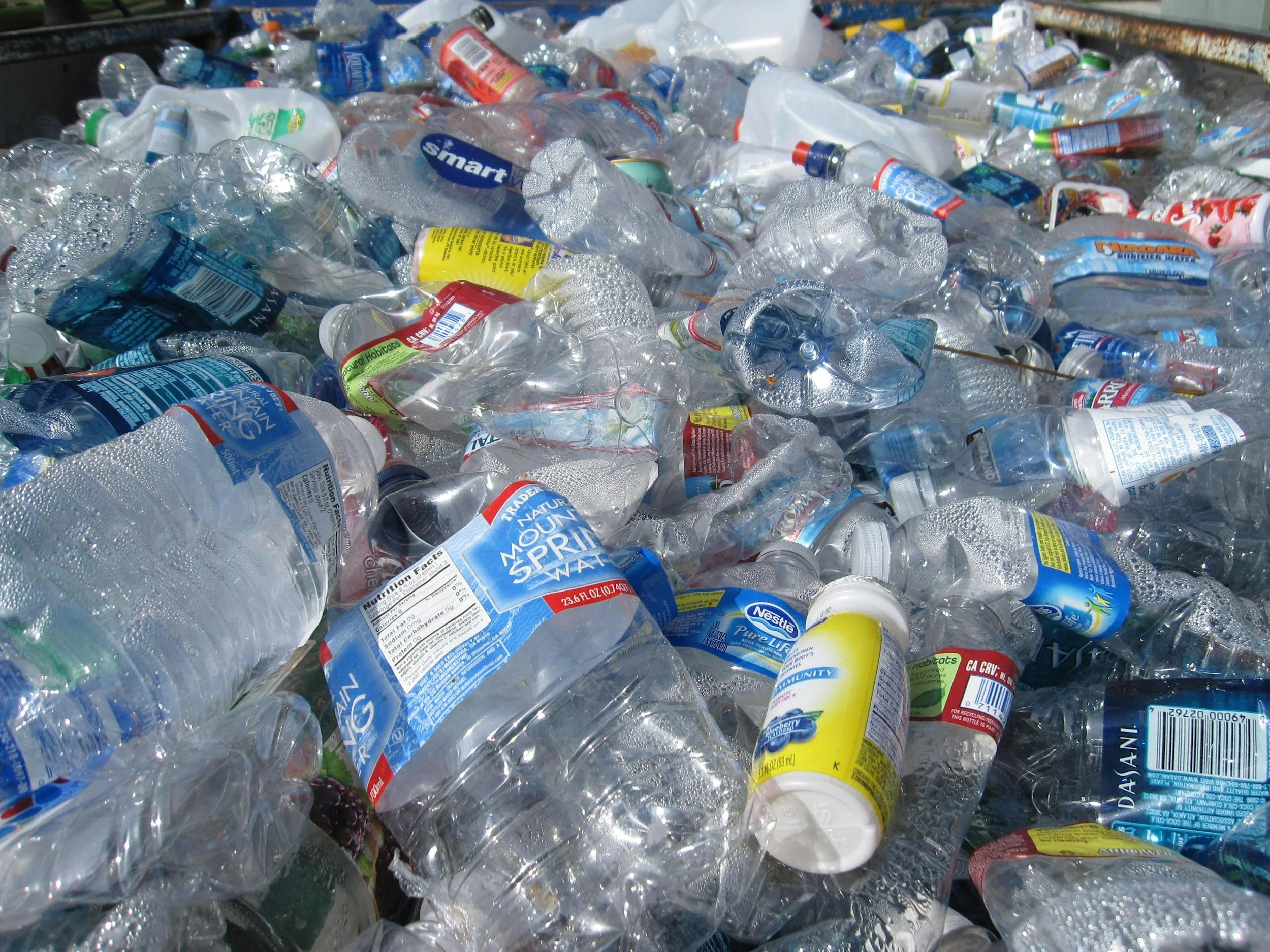
Here are the numbers that put it in perspective:
Australia generates approximately 3 million tonnes of plastic waste every year
Of that, roughly 1 million tonnes is single-use plastic — used once and thrown away
Every year, an estimated 130,000 tonnes of plastic leaks from Australia into the marine environment. To put that staggering figure into perspective, it’s roughly the weight of two and a half Sydney Harbour Bridges — or more than 25,000 adult African elephants.
Australia's plastic consumption is predicted to more than double by 2050 if current trends continue.
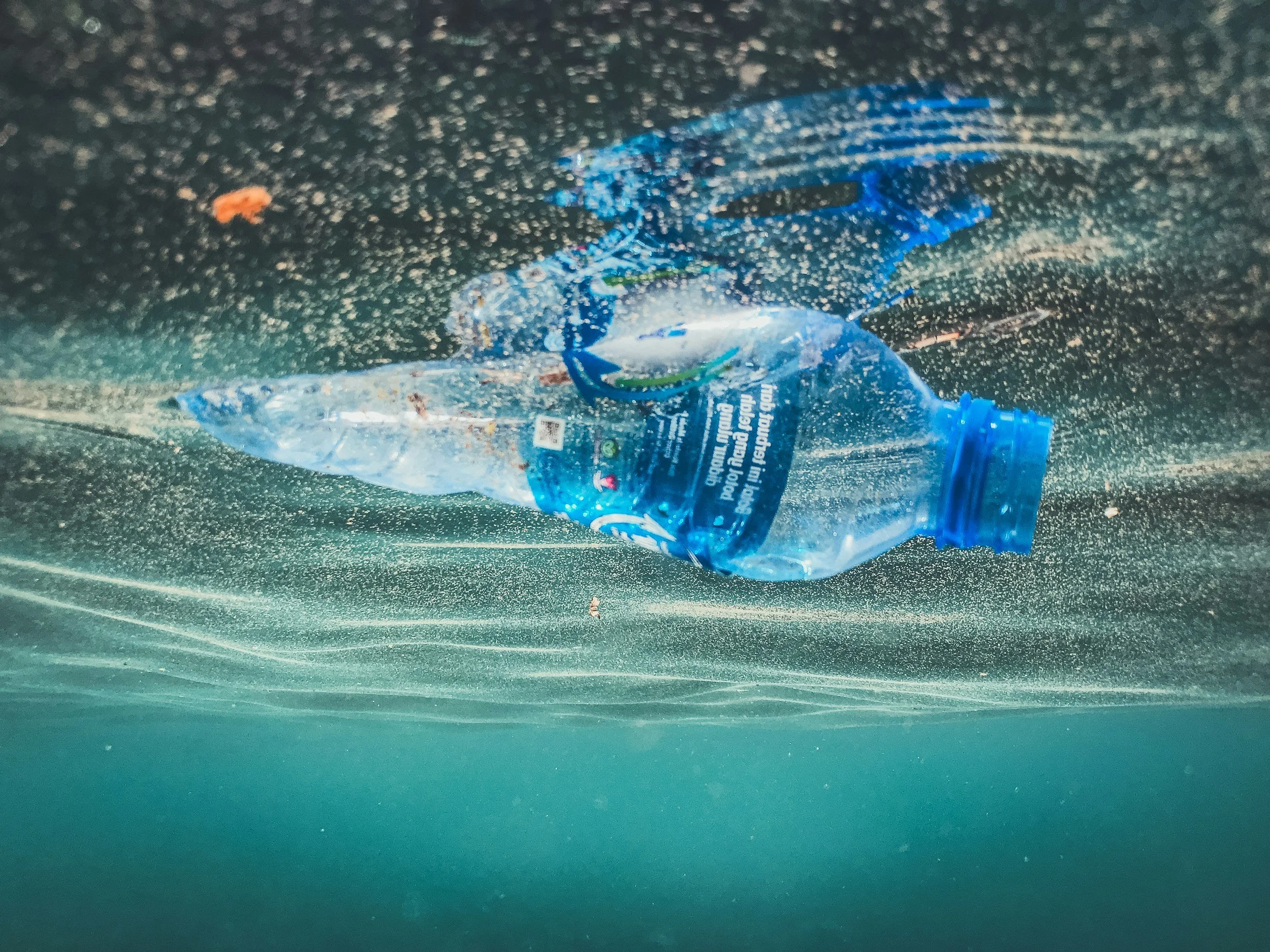
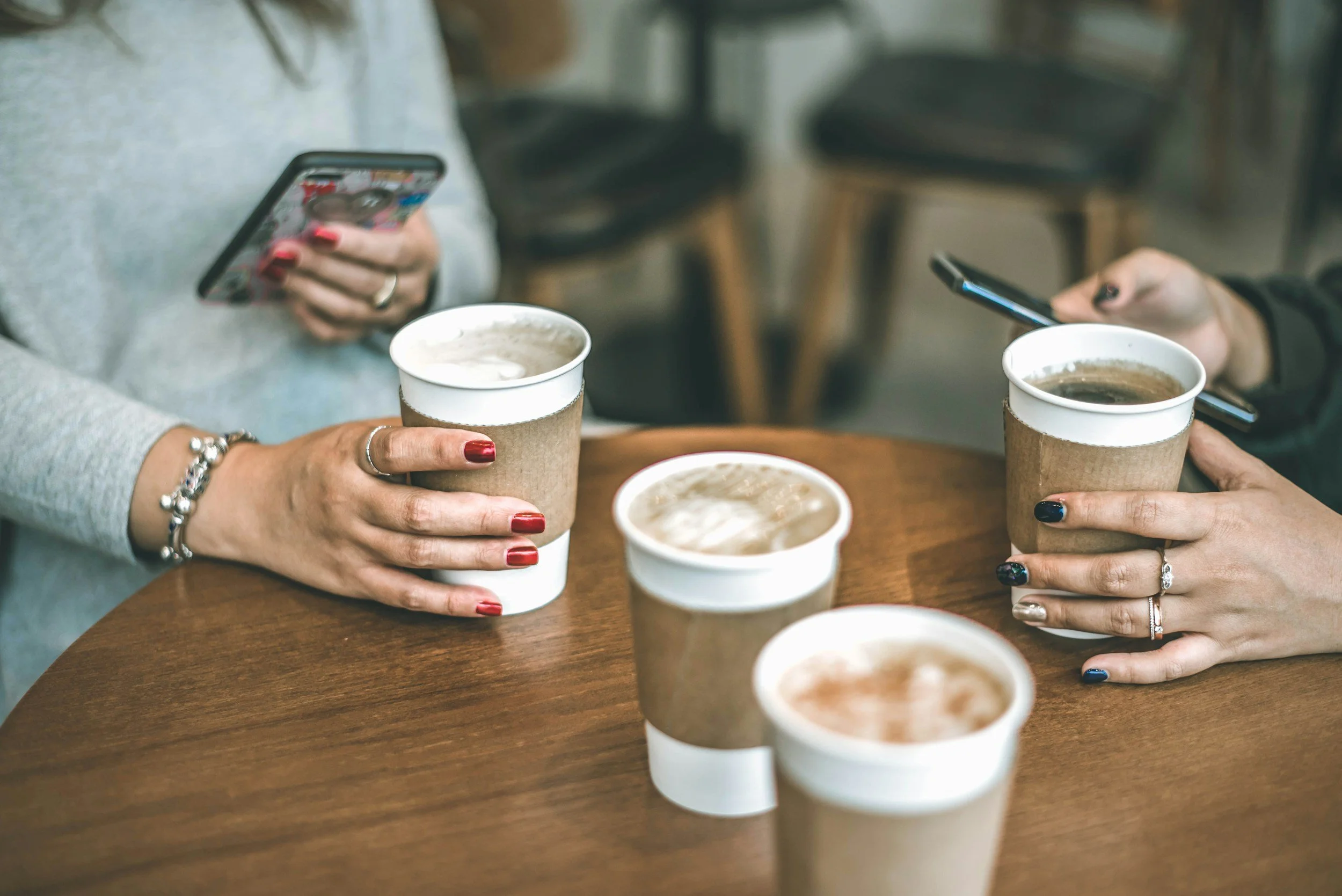
Households account for a significant portion of Australia's plastic waste — and it accumulates through dozens of small, everyday decisions most of us barely notice.
Here's where household plastic typically comes from:
Kitchen – food packaging, cling wrap, zip-lock bags, plastic bottles, containers and lids
Bathroom – shampoo, conditioner, body wash, toothpaste tubes, disposable razors
Cleaning products – spray bottles, laundry detergent, dishwashing liquid containers
On-the-go – takeaway cups, straws, plastic cutlery, single-use water bottles
Shopping – produce bags, carrier bags, plastic-wrapped fruit and vegetables
Most of these items are designed to be used once, for a matter of minutes, and then last in the environment for hundreds of years.
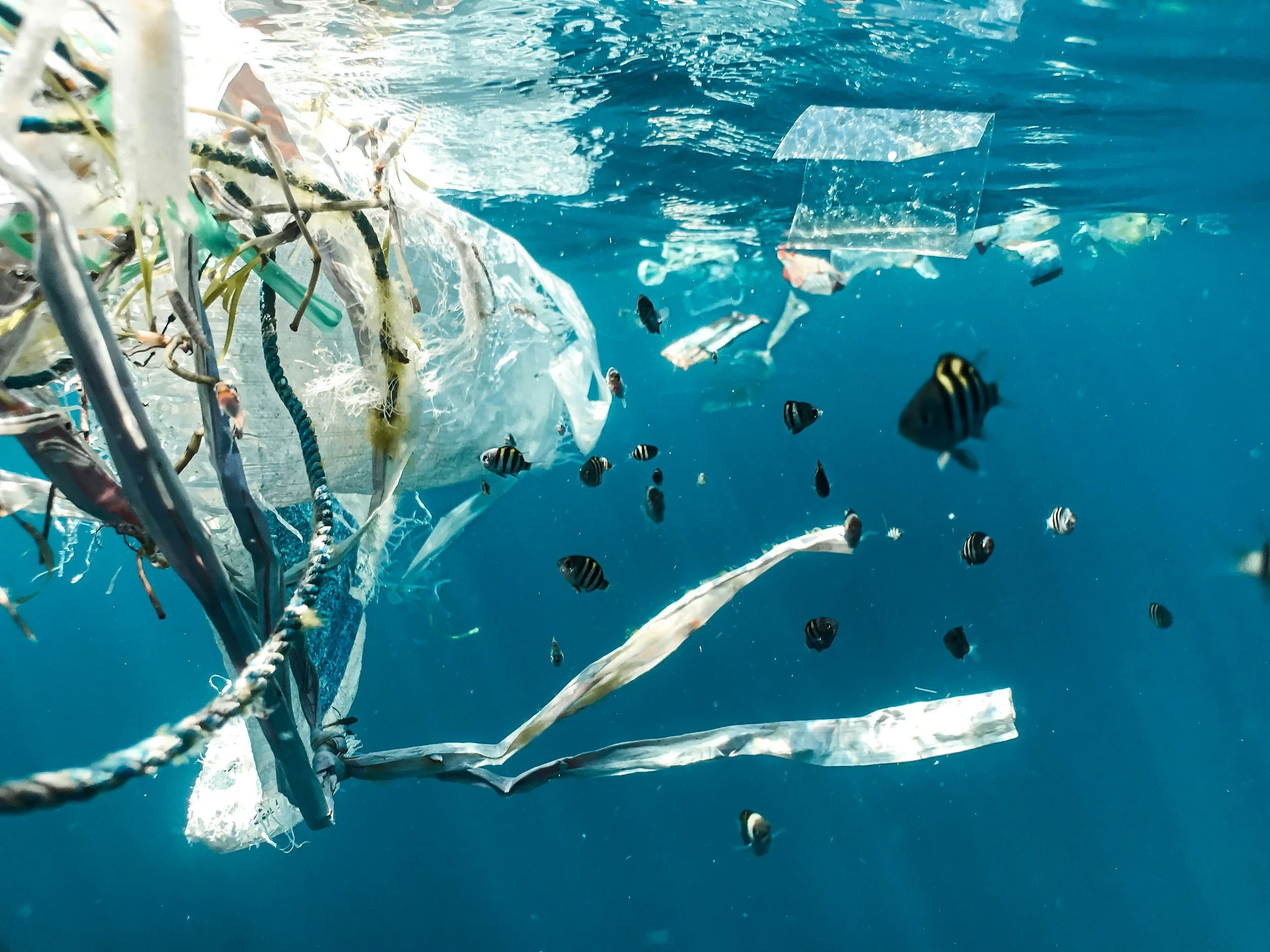
Plastic that escapes proper waste management doesn't just disappear. It breaks down over hundreds of years into microplastics — tiny particles that have now been detected in Australian waterways, the Great Barrier Reef, Antarctic ice, and even in human blood.
Australia's Department of Climate Change has warned that at current rates, the world's oceans could contain more plastic than fish by 2050. Our marine life — from sea turtles on the Queensland coast to seabirds in the Southern Ocean — is already paying the price.
This isn't a problem happening somewhere else. It's happening in our backyard.
There are some positive signs. The Australian Government has committed to phasing out problematic single-use plastics, with grocery bags and straws already banned, and has set targets for recycled packaging content. South Australia leads the nation with an 80% resource recovery rate, driven by its long-running container deposit scheme — a model other states are now following with their own Return and Earn or Containers for Change programs.
But experts broadly agree: policy and industry action alone won't be enough. Household choices matter, and the growing plastic-free movement is proof that individuals can drive real change.
Because plastic waste is generated through so many small daily decisions, it also means there are many small daily changes you can make.
You don't have to overhaul your life overnight. Even replacing a few key items in your kitchen or bathroom can meaningfully cut your household's plastic footprint.
If that sounds like something you want to explore, you're in the right place.
Research commissioned by the WWF and the Plastic Free Foundation shows that 85% of Australians want to reduce their use of disposable plastics. The desire is there. What most of us need is a clear, manageable starting point.
Your home is the best place to begin. Not because individual action solves everything — it doesn't, and policy change matters enormously — but because the home is where you have the most control, where the health benefits are most direct, and where small changes compound into meaningful habits.
Look at our other product examples and blogs for inspiration.
Australia’s plastic usage - Australian Government DCCEEW National Plastics Plan Summary
Microplastics in humans - https://magazine.hms.harvard.edu/articles/microplastics-everywhere, New England Journal of Medicine (2024) — microplastics and cardiovascular events;
Nature (2024) — microplastics in human organ tissue, https://www.mdpi.com/2673-8929/4/2/23Plastic pollution in Australia - ScienceDirect — Microplastics Pollution in Australia (2025)
How long it takes plastic to biodegrade - https://wwf.org.au/blogs/the-lifecycle-of-plastics/
We want to be transparent about where our facts and data have come from. In a world of ‘fake news’ and AI, its good to be clear about information, so that you can trust it.