
Plastic-Free School Lunchboxes: An Aussie Parent's Guide
Every school morning, millions of Australian parents face the same challenge — pack a lunch that's healthy, that the kids will actually eat, and get out the door on time. But here's the thing most of us haven't stopped to think about: the average school lunchbox is packed with single-use plastic. Here's how to change that — without the stress.
The State of the Aussie School Lunchbox
Ninety per cent of Australian school children bring a home-packed lunch to school. That's millions of lunchboxes going out the door every single school day — and most of them are filled with single-use packaging. Zip-lock bags, plastic cling wrap, individually wrapped muesli bars, plastic snack packets, disposable water bottles — it all adds up to an enormous amount of plastic waste, five days a week, forty weeks a year.
But the plastic problem in the lunchbox isn't just environmental. It's nutritional, too.
More than 80% of Australian primary school lunches are of poor nutritional quality. Half of students' school-day food intake comes from junk food, and fewer than one in ten students eat enough vegetables. Much of this is driven by the convenience of pre-packaged snack foods — the very products that come wrapped in the most plastic.
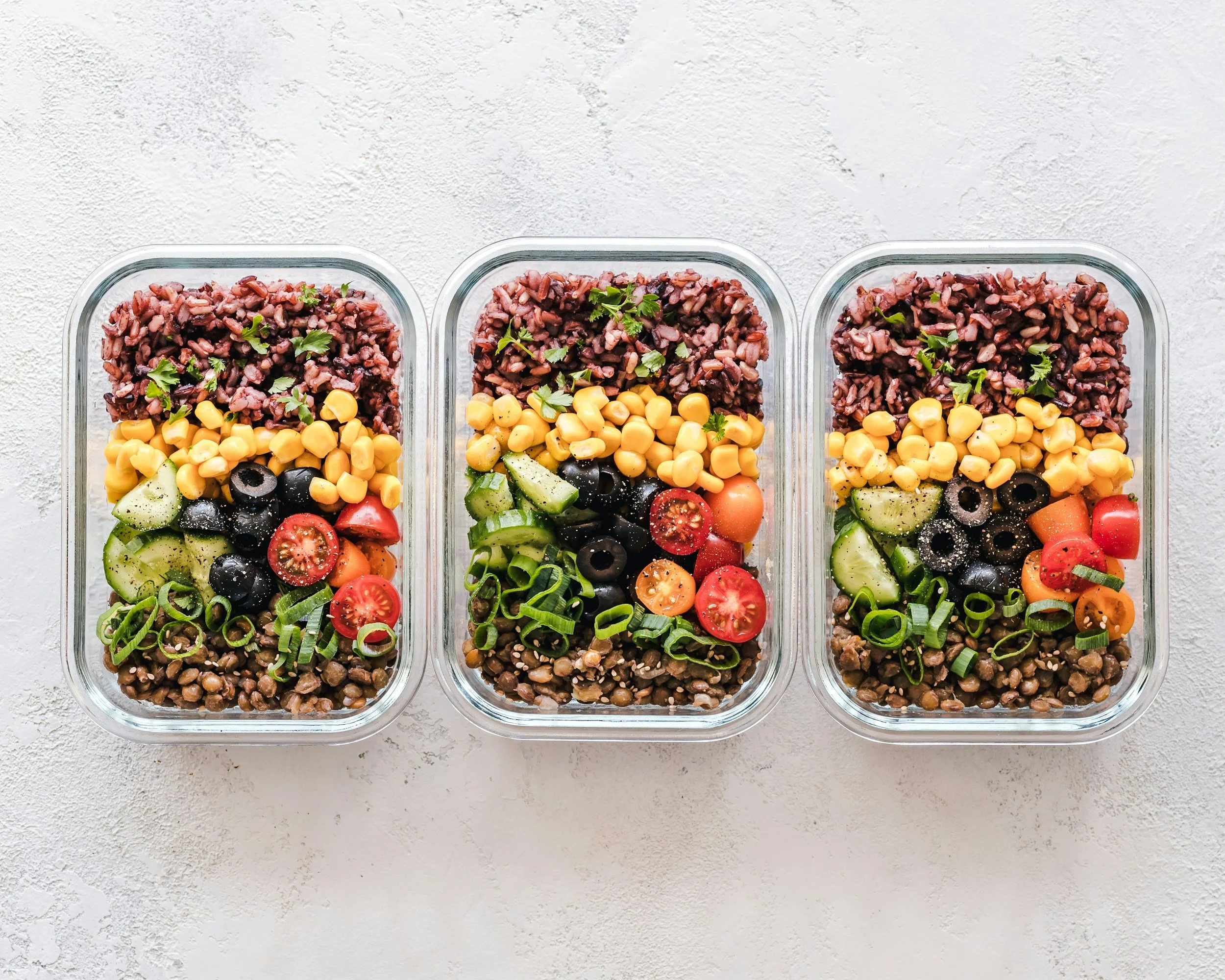
Here's the good news: tackling the plastic in your child's lunchbox and improving its nutritional quality go hand in hand. Fresh, whole foods — fruit, vegetables, a sandwich, some cheese — are naturally plastic-free when packed correctly. Switching to reusable lunchbox gear doesn't just cut your plastic footprint. It actively nudges you toward healthier, less processed choices for your kids.
Why Plastic in the Lunchbox Matters for Your Child's Health
We covered the broader health impacts of plastic and microplastics in a previous post. But the lunchbox is worth calling out specifically, because it's where children have direct, daily food contact with plastic.
Plastic food containers — especially older ones, scratched ones, or those heated in a microwave — can leach chemicals including BPA (bisphenol A) and phthalates into food. Studies have linked BPA to hormone disruption, developmental issues in children, and an increased risk of heart disease, obesity, and even infertility.
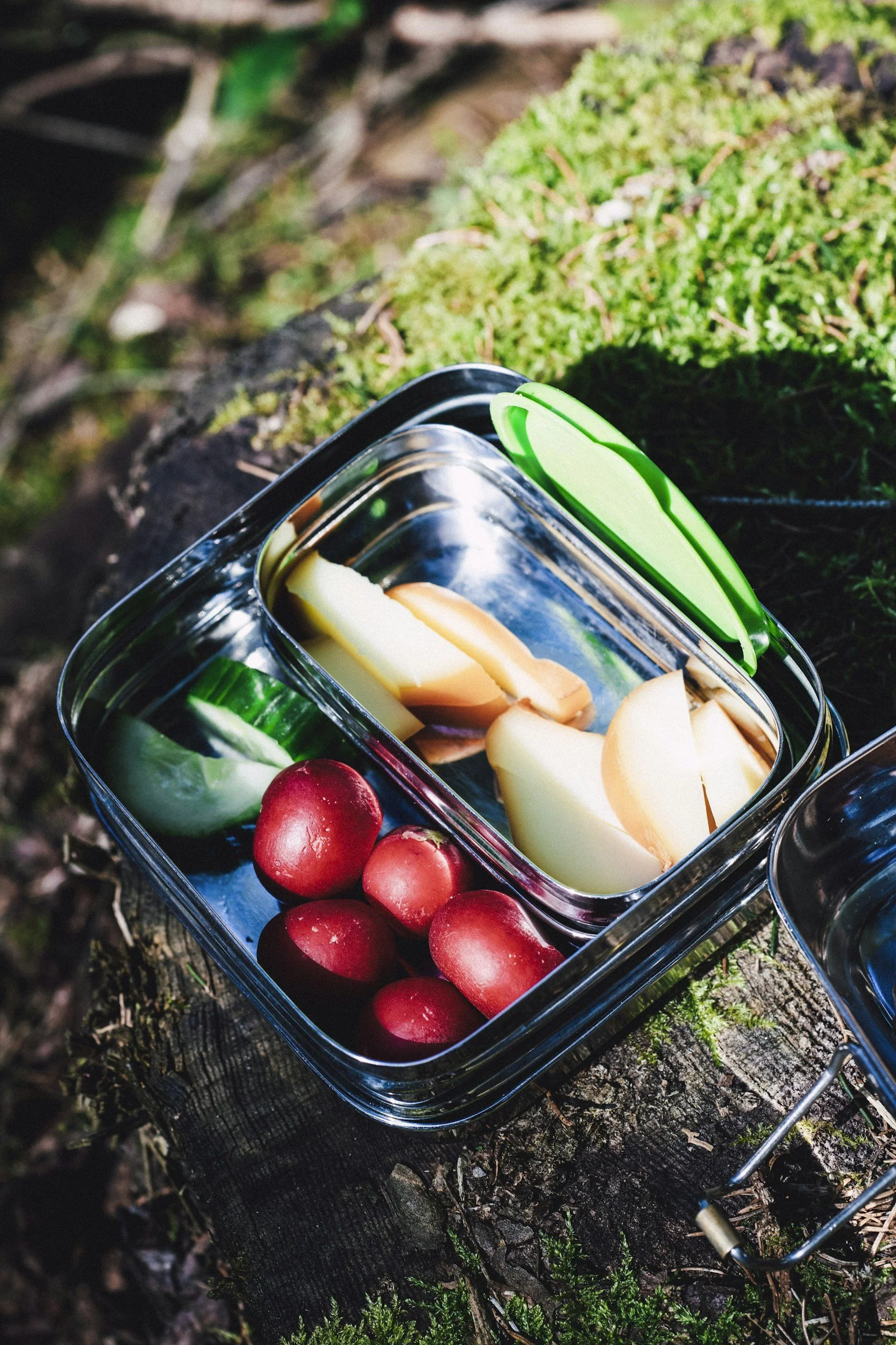
High-quality stainless steel (like 18/8 or 304 grade) is non-toxic, food-safe, and doesn't leach chemicals into food. Unlike plastic, it won't release microplastics, even with hot, acidic, or oily meals.
This is especially important for growing children who eat from the same containers every single school day, year after year.
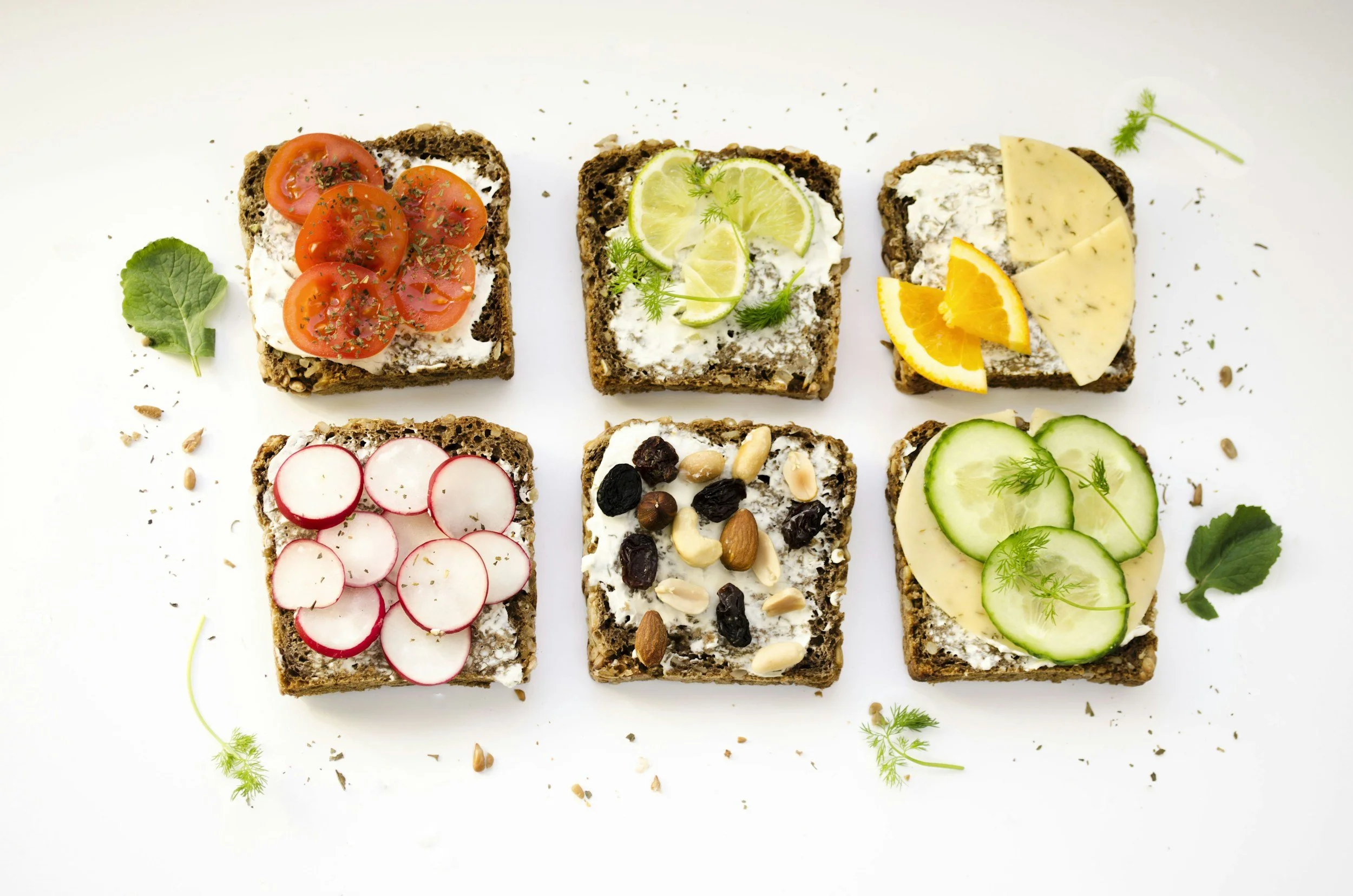
Try to steer clear of individually packaged snack foods — they are often high in salt, added sugar, or saturated fat, not to mention expensive.
These are also, not coincidentally, some of the most heavily plastic-wrapped items in the supermarket. Avoiding them is a win for your child's health and for your plastic footprint at the same time.
What Goes Into a Nutritious, Plastic-Free Lunchbox
According to the Victorian Better Health Channel and dietitians at The Kids Research Institute Australia, a well-balanced school lunchbox should include six key components:
1. Grains and cereals — a sandwich on wholemeal or multigrain bread is the lunchbox staple. If your child doesn't like sandwiches, try corn thins, wholemeal crackers, a wrap, or leftover rice or pasta from dinner. Wholegrain options provide fibre to keep kids fuller and more focused through the afternoon.
2. Protein — lean chicken strips, a hard-boiled egg, some cheese, hummus, or a bean-based dip. Protein supports concentration and sustained energy across the school day.
3. Dairy or alternatives — a small tub of yoghurt (in a reusable container), a slice of cheese, or a calcium-fortified soy alternative. For children over two, reduced-fat options are fine.
4. Fruit — fresh is best. Cut it up so it's easy to eat — especially for younger children with wobbly teeth or limited time to eat at school. In summer, frozen orange segments or frozen grapes are a refreshing option that also help keep the lunchbox cool.
5. Vegetables — this is where most Aussie lunchboxes fall down. Try cherry tomatoes, cucumber rounds, carrot sticks, capsicum strips, or sugar snap peas. A small container of hummus or tzatziki for dipping makes vegetables much more appealing. Leftover roasted vegetables from dinner also work beautifully.
6. Water — always water. Tap water is best. Sweet drinks — including fruit juice, cordials, sports drinks, and flavoured waters — are high in energy and sugar and can lead to weight gain and oral health problems in children. A good reusable drink bottle is one of the most important items in the lunchbox kit.
The Plastic-Free Lunchbox Kit
You don't need to buy everything at once. Start with the highest-impact items and build from there.
A Stainless Steel Bento Lunchbox
This is the centrepiece of the whole setup. A good stainless steel bento box with compartments replaces zip-lock bags, cling wrap, and multiple plastic containers in one go.
What to look for:
Food-grade 18/8 or 304 stainless steel (no plastic lining touching food)
Multiple compartments to separate foods (great for kids who don't like food touching)
Leak-resistant silicone seals
Easy-to-open latches that kids can manage independently
Dishwasher safe
Why it's worth it: Unlike plastic lunchboxes that crack, warp, or need replacing every year or two, a quality stainless steel box lasts for years of daily school use. Parents consistently report using the same box across multiple children. The upfront cost is higher — typically $40–80 — but it pays for itself quickly.
A Stainless Steel or BPA-Free Drink Bottle
Always make sure your child can open the containers and packages in their lunchbox independently. The same applies to the drink bottle — it needs to be easy for small hands to open and leak-proof in a school bag.
What to look for:
Stainless steel or glass (not plastic)
Leak-proof lid with a simple mechanism kids can manage
Suitable capacity for a school day (400–600ml for primary school)
Insulated versions keep water cold in summer — great for Australian conditions.
Reusable Silicone Snack Bags
Silicone snack bags are the replacement for zip-lock bags and plastic wrap for sandwiches and snacks. They're washable, reusable, and seal tightly to keep food fresh.
What to look for:
Food-grade platinum silicone (free from BPA, phthalates, and latex)
A range of sizes (snack and sandwich)
Easy-seal closure that kids can manage
Dishwasher safe
These are particularly useful for sandwiches, cut fruit, crackers, or any food that doesn't fit neatly into the bento box compartments.
Small Stainless Steel Dip Containers
A small leakproof container for hummus, tzatziki, yoghurt, or dipping sauce is a game-changer for getting vegetables into the lunchbox. When kids have something to dip their carrots and cucumber into, they're far more likely to eat them.
Reusable Beeswax Wraps
For wrapping sandwiches and covering cut fruit, beeswax wraps are the plastic wrap alternative that most Australian families have now tried. They mould to the shape of the food using the warmth of your hands and keep things fresh without any plastic.
Note: Beeswax wraps are not suitable for raw meat. For hot foods, use a container instead.
The Big Picture: Teaching Kids That Less Plastic is Normal
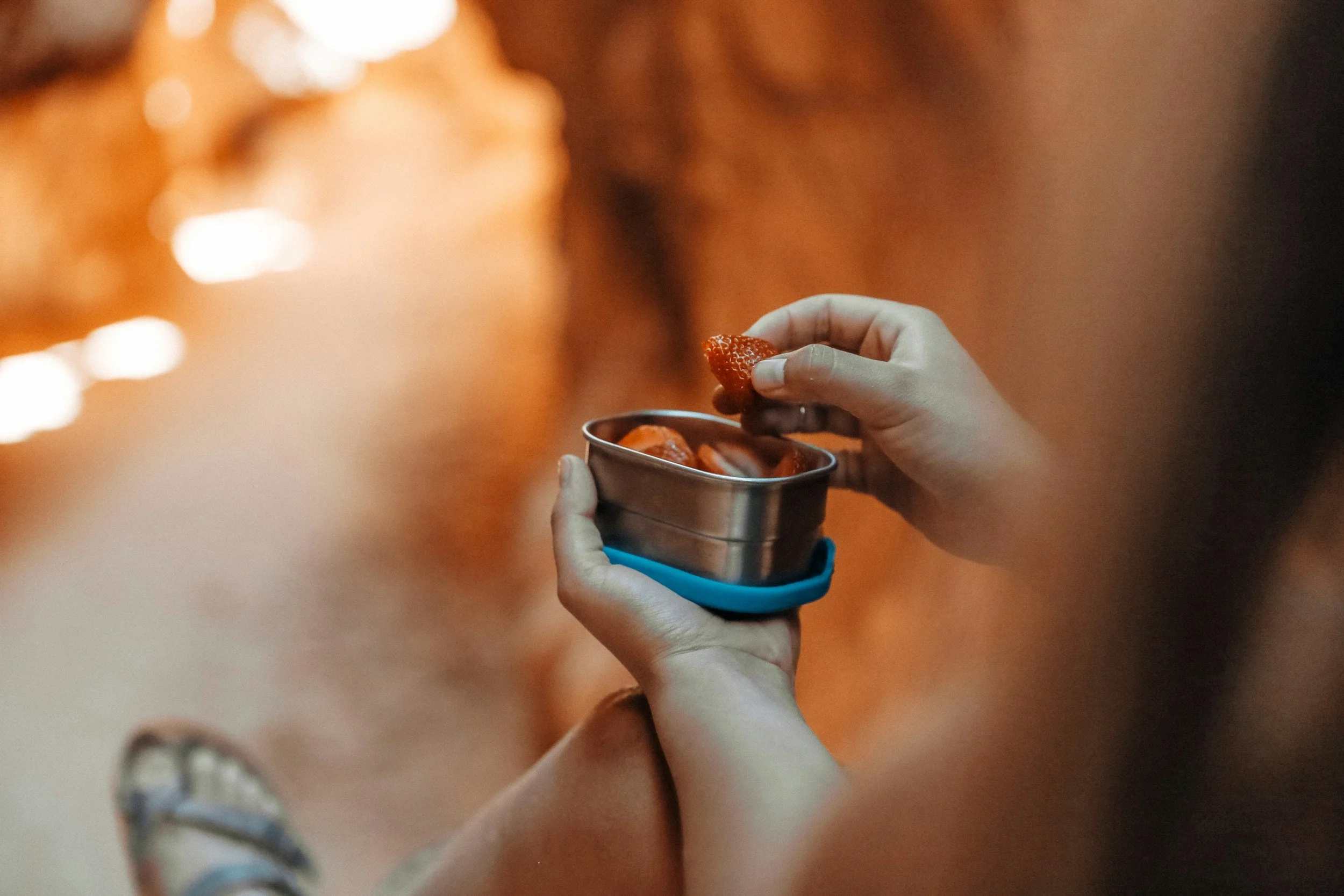
There's a bonus to the plastic-free lunchbox that goes beyond nutrition and environmental impact. When children use reusable lunchboxes, drink bottles, and snack containers from an early age, it becomes their normal.
Choosing a sustainable lunchbox sets a powerful example for your kids. Showing your little ones how small changes can make a big difference encourages them to value and protect the world around them.
Given that Australia is one of the few high-income countries that does not provide children with a daily nutritious meal at school, the lunchbox is one of the most important nutrition decisions Aussie parents make each day. Making it plastic-free is a small additional step that benefits your child's health, reduces their exposure to chemicals in plastic containers, and builds habits that will last a lifetime.
Recommended products…
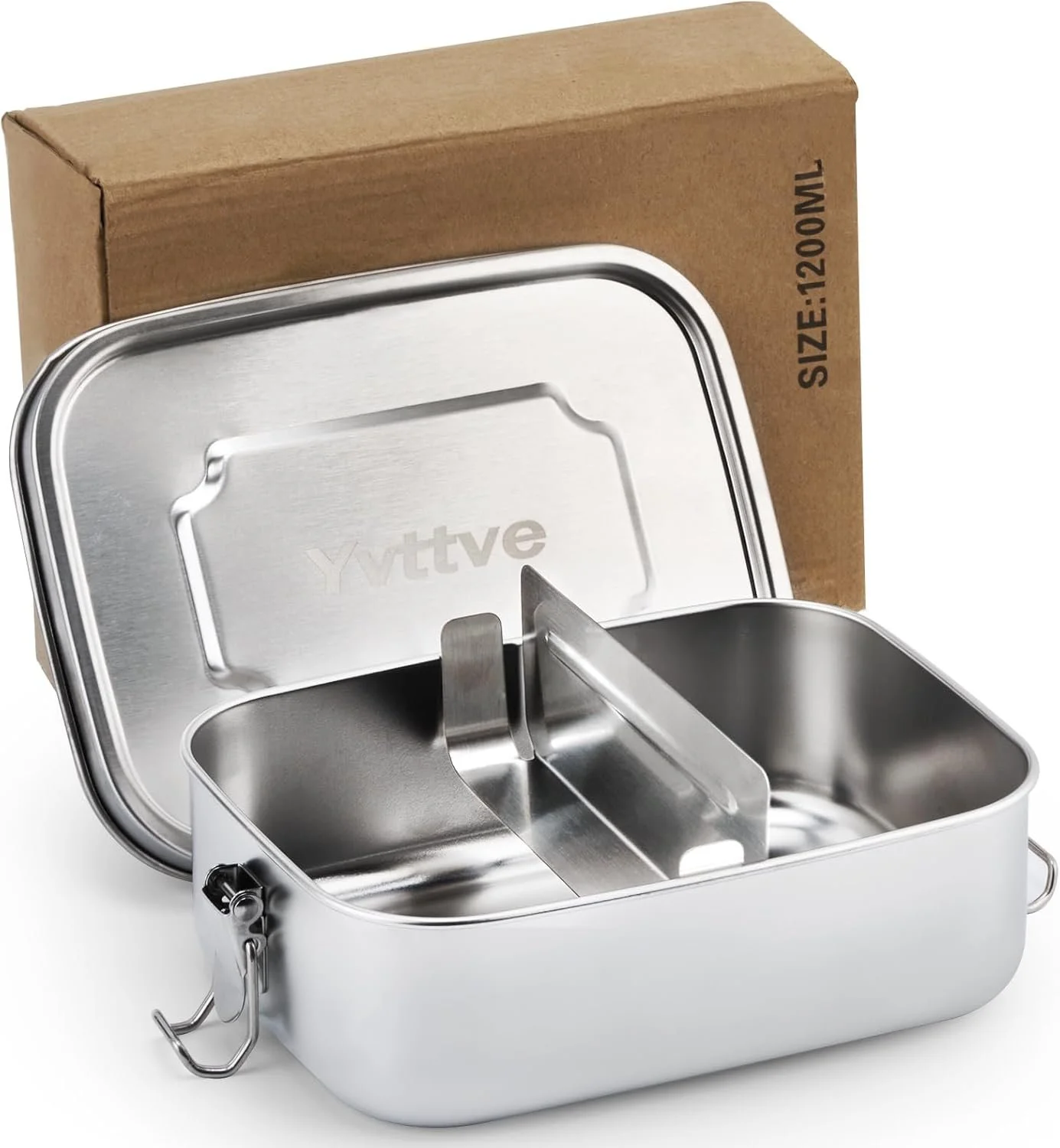
Yvtte Stainless Steel Lunch Box - Bento Box
Eco Friendly food-grade stainless steel bento lunch box are a reusable healthy and sustainable alternative to disposable products such as plastic containers or plastic bags!
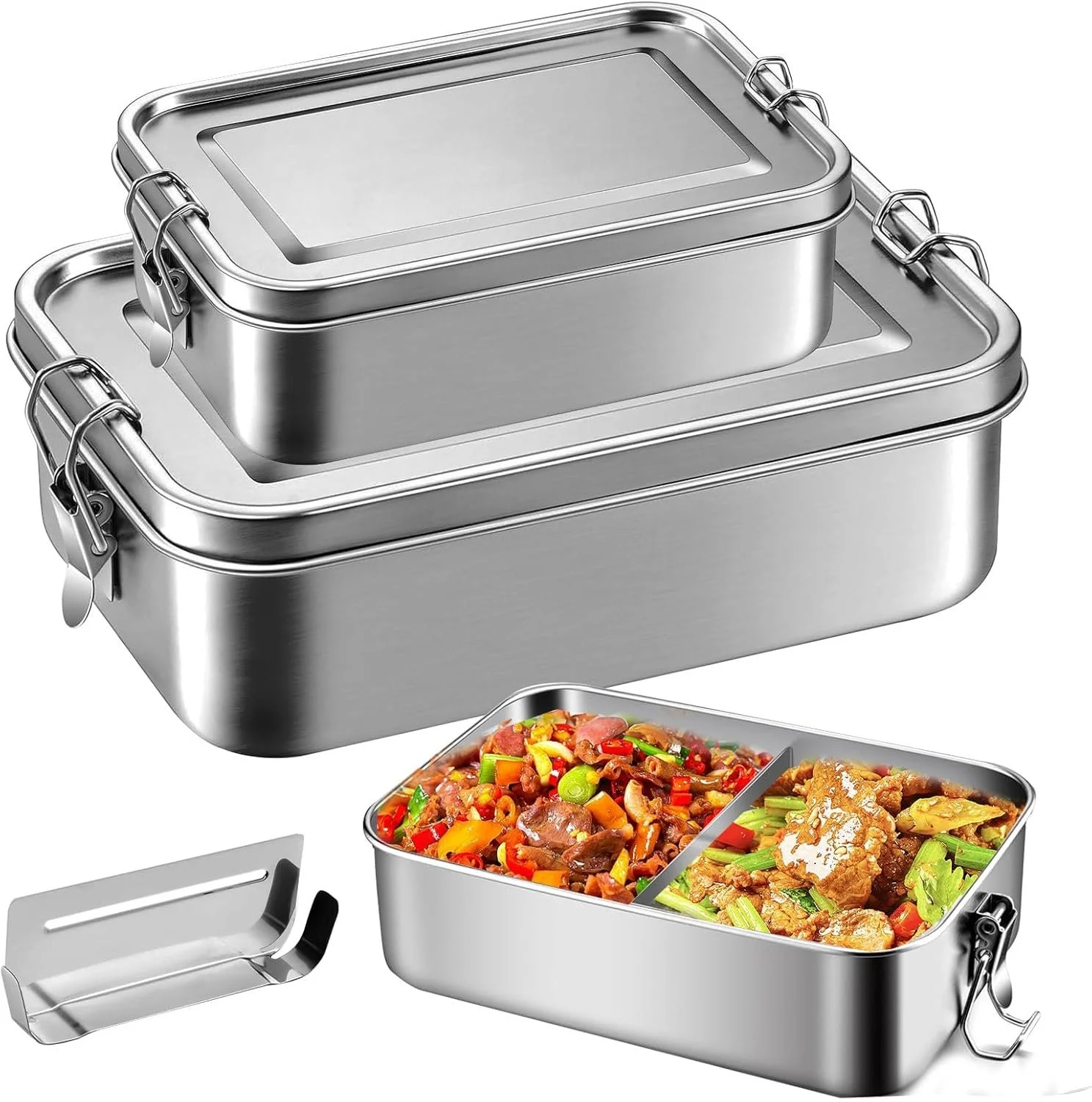
Stainless Steel Lunch Box / Bento Box - 2 Pack
1400ml box for hearty lunches and a 550ml container for snacks or sides - leak-proof design - durable and built to last - crafted with high-quality stainless steel
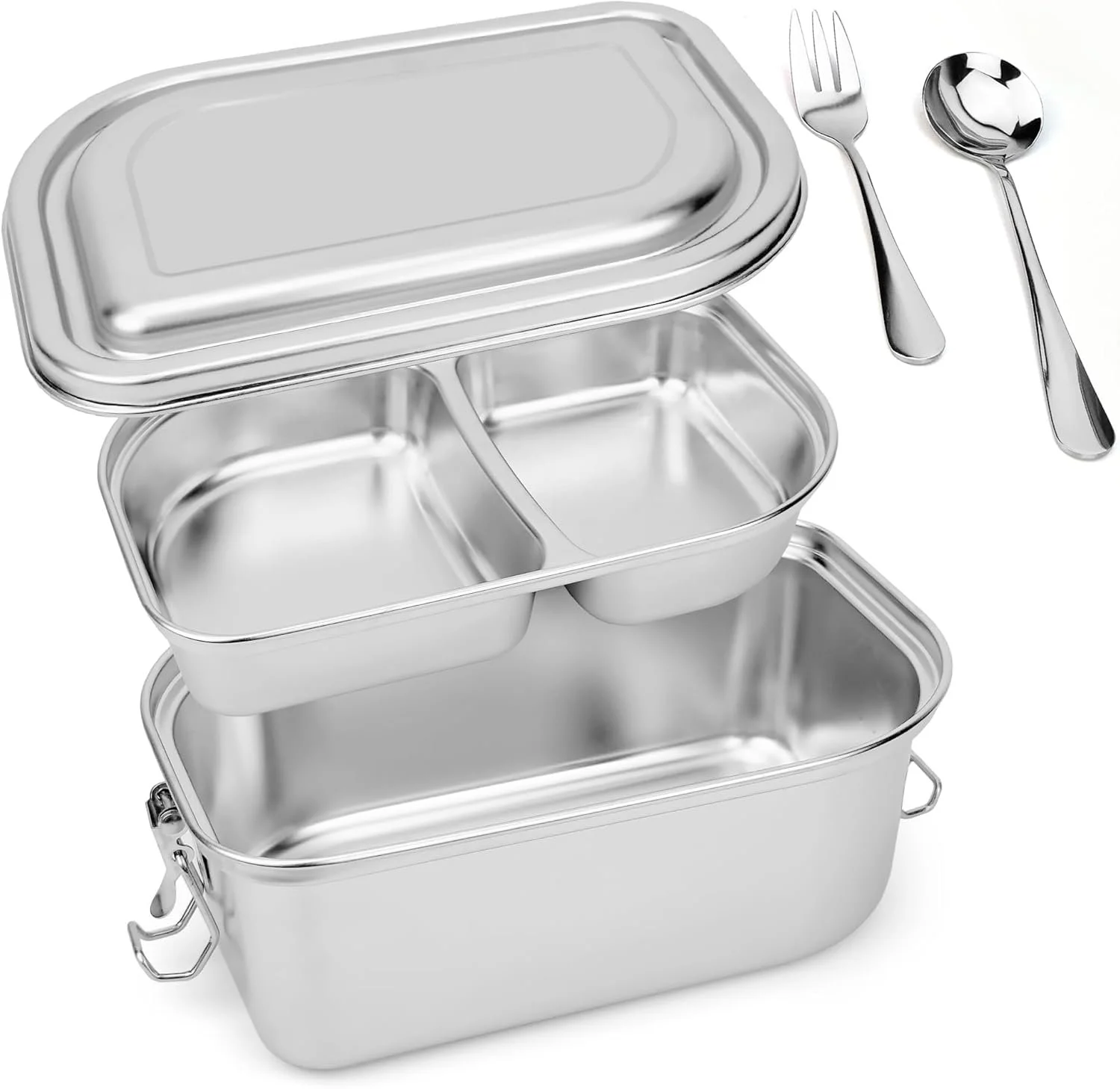
2 layer Stainless Steel Lunch Box / Bento Box Removing the plastic from your everyday. Versatile 3-compartment design with large 1600ml capacity, constructed from 304 food quality stainless steel.
The Nude Food Movement
If you haven't heard the term "nude food" yet, you soon will. Many Australian primary schools now actively encourage or require "nude food" lunchboxes — food that comes without any single-use packaging at all.
The concept is simple: pack food in reusable containers rather than individual wrappers. No chip packets, no individually wrapped muesli bars, no zip-lock bags. Just whole foods in reusable gear.
Schools that have adopted nude food policies report benefits beyond just reduced waste — teachers notice that children with whole-food lunchboxes tend to eat more of their food and behave better in the afternoon, consistent with the research showing poor lunchbox nutrition affects concentration and learning.
Check with your child's school to see if they have a nude food or waste-free lunchbox policy — many Victorian, NSW, and Queensland schools do.
Research commissioned by the WWF and the Plastic Free Foundation shows that 85% of Australians want to reduce their use of disposable plastics. The desire is there. What most of us need is a clear, manageable starting point.
Your home is the best place to begin. Not because individual action solves everything — it doesn't, and policy change matters enormously — but because the home is where you have the most control, where the health benefits are most direct, and where small changes compound into meaningful habits.
Look at our other product examples and blogs for inspiration.
We want to be transparent about where our facts and data have come from. In a world of ‘fake news’ and AI, its good to be clear about information, so that you can trust it.
Our sources
Australian school lunchbox nutrition - Better Health Channel Victoria
Cost of lunchboxes for Australian families - https://pmc.ncbi.nlm.nih.gov/articles/PMC10781432/
Healthy Eating School Lunches - The Kids Research Institute Australia (2024)
Healthier school lunches - https://www.betterhealth.vic.gov.au/health/healthyliving/healthy-eating-school-lunches
Non toxic lunchboxes for kids - Green Choice Lifestyle (2025)
How to Pack a Healthy Lunchbox - Public Health Nutrition/ Deakin University (2024)