
Going plastic free without spending a fortune
Plastic is everywhere, and by design, it’s made to last decades, if not hundreds of years. It’s incredibly useful, but it’s bad in terms of the waste created.
The truth is we really don’t know how long plastic lasts. Plastic has only been in circulation since the 1970’s, and experts estimate that some plastics can last hundreds of years before they finally break down.
So, you want to do the right thing, reduce your use of plastic, but not spend a fortune? With a little know-how, reducing plastic at home can actually save you money — and you don't need to buy a single thing to get started.
Browse your social media and you'd be forgiven for thinking that going plastic-free requires an expensive makeover — beautiful beeswax wraps, matching glass jars, a $80 stainless steel water bottle, a whole new wardrobe of bamboo products. The reality is very different. The most powerful plastic-free changes cost nothing at all.
And when you do need to buy something, the right reusable product almost always saves you money in the long run — often significant money. This guide is for everyday Australians who want to reduce their plastic footprint without blowing the budget.
Start with the free stuff…
The cheapest plastic-free swaps are the ones that don't cost anything — they just require a small shift in habit.
Say no to what you don't need. The most sustainable option is always to not take the plastic in the first place. Refuse the takeaway cup at a cafe. Say no to the plastic bag at the market. Skip the individually wrapped sauce sachets. These tiny decisions cost you nothing and add up fast.
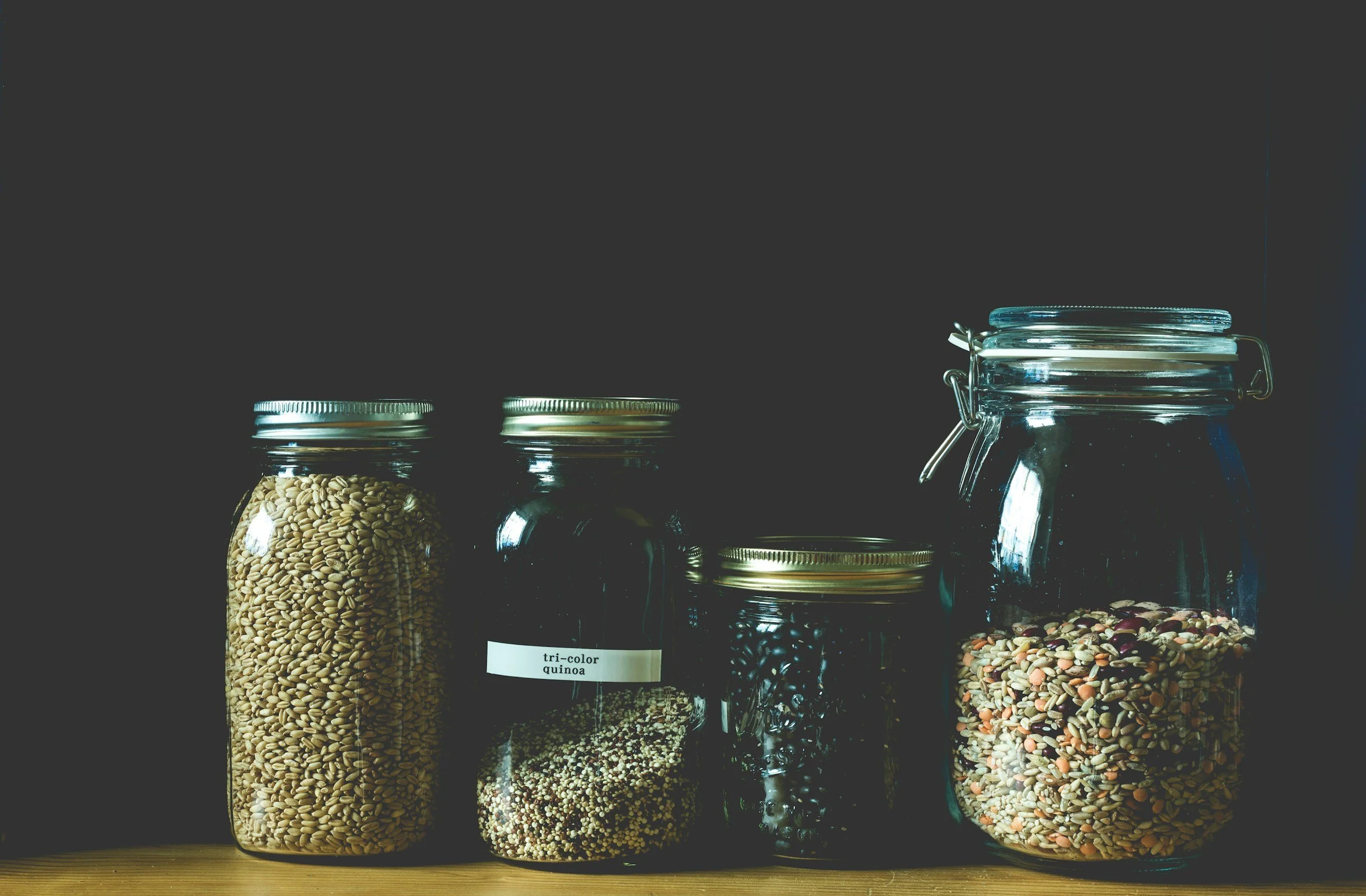
Use what you already have. Before buying any eco product, look around your home. A plate placed on top of a bowl works perfectly instead of cling wrap. A glass jar you already own is as good as any fancy pantry container. Use what you have before spending money on anything new.
Buy loose produce. Choosing loose fruit and vegetables over pre-packaged ones at Woolworths or Coles costs exactly the same — sometimes less — and eliminates a huge amount of plastic packaging. This is completely free and requires zero new purchases. Also search out food stores where you buy by weight and bring your own jars/bags.
Make your own cleaning products. White vinegar, bicarb soda, and water make an effective all-purpose cleaner for a fraction of the cost of commercial spray bottles. Not only does this eliminate plastic packaging, it's gentler on surfaces and avoids harsh chemicals.
Refuse freebies. Promotional pens, single-use cutlery tucked into takeaway orders — practise politely declining anything plastic that you don't actually need.
How going plastic free can actually save you money
Many Australians assume that eco-friendly products are more expensive. In the short term, some do cost more upfront. But run the numbers over a year or two and the story changes completely.
Water Bottles
Australians purchase around 600 million litres of bottled water every year. If you currently buy three single-use water bottles a week, switching to a reusable bottle costing around $40 could save you $155 in the first year alone, according to CHOICE Australia. And that's a conservative estimate — a good-quality stainless steel bottle can last 10 to 12 years, saving potentially well over $1,000 across its lifetime.
Reusable coffee cups
Australians use around 1.8 billion disposable coffee cups every year. Many cafes — including major chains — now offer a discount of 20–50 cents when you bring your own cup. If you buy one coffee a day, that's a saving of up to $180 a year, while the reusable cup itself costs around $15–30. It pays for itself within weeks.
Beeswax Wraps vs Cling Wrap
A roll of cling wrap costs around $3–5 and needs to be replaced regularly. A set of quality beeswax wraps costs around $25–30, but lasts two years with proper care — washing in cool water and air drying. Over time they're far cheaper, and Australian-made options are widely available.
Bars of Soap
A good bar of soap costs $2–5 and lasts as long as, or longer than, a $6–10 bottle of liquid hand wash or body wash. It's cheaper, it's plastic-free, and it works just as well.
Shampoo and Conditioner Bars
The majority of shampoos and conditioners are at least 80% water. Shampoo bars are concentrated, so they generally last two to three times longer than their bottled equivalents — meaning they often work out cheaper per wash despite a higher sticker price. A good shampoo bar in Australia typically costs $12–18 and replaces two to three plastic bottles.
Big ideas, Small costs.
Here is a budget friendly starter kit of small plastic free items, covering the highest impact without spending a lot.
-
Costs $20 - $40
Replaces hundreds of coffee cups per year, saving $100’s over its lifetime.
-
Costs $10- $15 for 5-10 covers
Replaces many metres of clingfilm over its lifetime.
-
Costs from $15 (Kmart) for stainless steel
Replaces hundreds of plastic bottles.
-
Cost $3 - $7 each
Replaces multiple plastic spoons in its lifetime, reducing landfill.
-
Costs $10 to $15 a set
Replaces fruit plastic bags at Coles or Woolworths in every shop.
-
Costs $3-$5
Replaces plastic bottles of handwash
-
Costs $20 - $30 a set (less online)
Replaces cling wrap for a year or two.
Research commissioned by the WWF and the Plastic Free Foundation shows that 85% of Australians want to reduce their use of disposable plastics.
Ready to take the next step and buy some new items?
Look at our other product examples and blogs for inspiration.
Our sources
We want to be transparent about where our facts and data have come from. In a world of ‘fake news’ and AI, its good to be clear about information, so that you can trust it.
Water bottle saving calculations - https://www.choice.com.au/food-and-drink/drinks/water-essentials/articles/best-reusable-water-bottles
Cost of single use bottles - https://www.drinkbottles.com.au/blog/the-true-cost-of-single-use-plastic-bottles.htm
Plastic waste in Australia - https://ridlyrubbishremoval.com.au/blog/australian-recycling-statistics/
How long it takes plastic to biodegrade - https://wwf.org.au/blogs/the-lifecycle-of-plastics/
SIngle use coffee cups in Australia - https://www.sustainability.vic.gov.au/recycling-and-reducing-waste-at-home/avoid-waste/minimise-single-use-items/disposable-coffee-cups