
The Ultimate Guide to Plastic-Free Alternatives for Australian Homes
Most of us know we should use less plastic. But knowing where to start is another thing entirely. This guide cuts through the overwhelm with a room-by-room breakdown of the best plastic-free alternatives available in Australia
Australians are increasingly looking for ways to reduce plastic at home — and the good news is that viable alternatives now exist for almost every single-use plastic item in your house. Research from the Australian Packaging Covenant Organisation (APCO) shows that 82% of Australian consumers believe brands have a responsibility to provide environmentally sustainable packaging, and 66% of Australians say they are willing to pay more for products in biodegradable or compostable materials.
This guide covers the kitchen, bathroom, laundry, and shopping habits — the four areas where most household plastic is generated — and points you toward specific products available.
What’s the harm?
We've covered the health and environmental impacts of plastic in detail in our other posts — but here's the quick summary for anyone coming to this topic fresh.
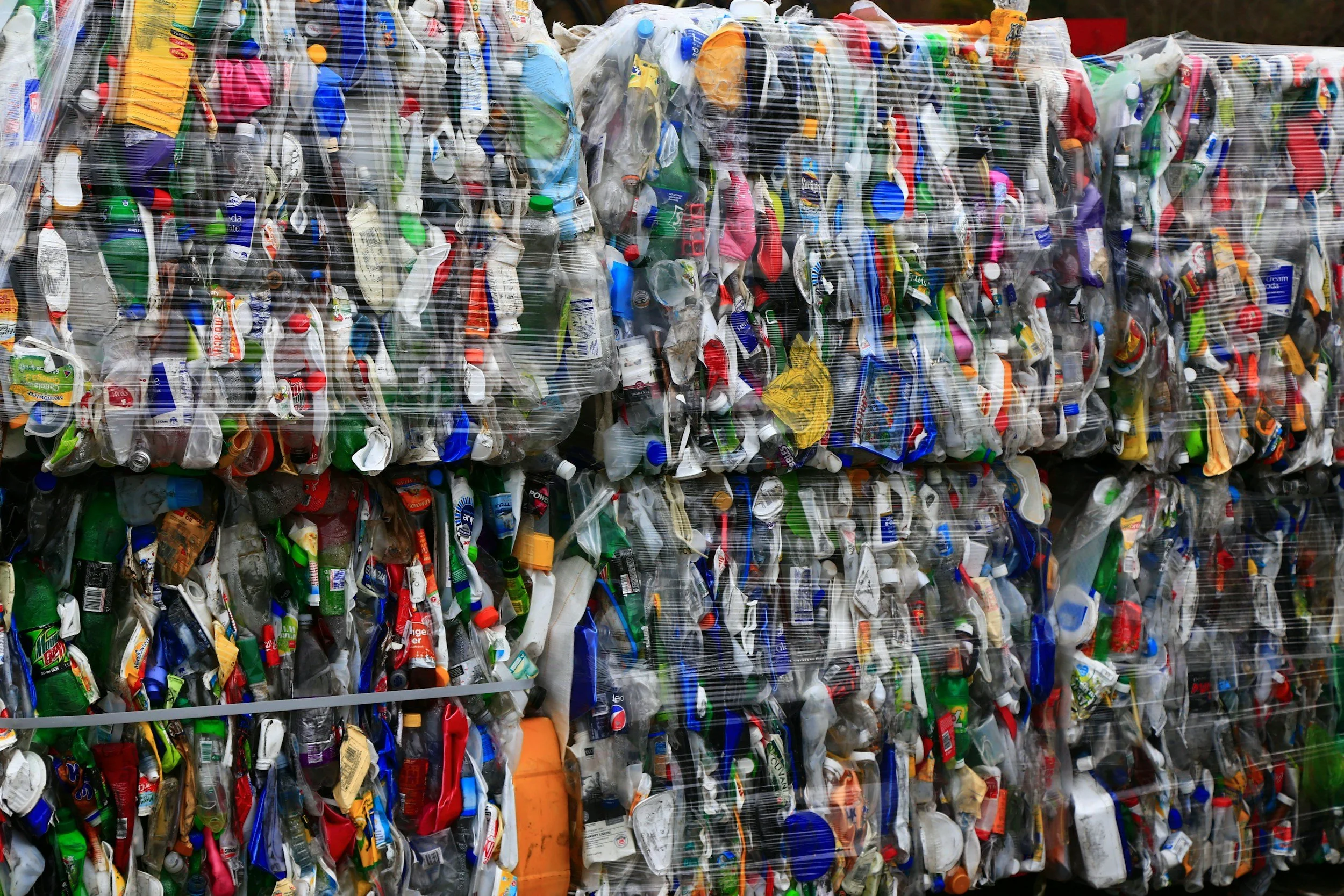
Australia is one of the biggest consumers of single-use plastic per person in the world, with plastic consumption growing from 123kg per person in 2010 to 147kg in 2021 — and only 19% of that is recycled. The rest ends up in landfill, is incinerated, or leaks into the environment — including our oceans, where it breaks down into microplastics that have now been found in human blood, organs, and brain tissue.
Eight in ten Australians want manufacturers and retailers to be responsible for reducing, reusing and recycling their plastic packaging — but while industry and government catch up, the home remains the most powerful place to start.
Benefits of switching to plastic-free alternatives
1. Financial
Most reusable alternatives cost more upfront but save significantly over time. A reusable water bottle, a set of beeswax wraps, and a bamboo toothbrush can save the average Australian household hundreds of dollars per year.
2. Health
Replacing plastic food containers and wrap with glass, stainless steel, and beeswax alternatives reduces daily microplastic exposure — particularly important for children, who eat from the same containers every day.
3. Simplicity - less clutter
Many plastic-free alternatives are also less cluttered and longer-lasting. Glass jars, stainless steel containers, and bamboo products don't crack, warp, or need replacing every year.
4. Environmental
Every swap you make reduces demand for single-use plastic — sending a clear market signal to manufacturers and retailers. There are now reusable alternatives for practically everything, and the good news is that all it takes to ditch the plastic habit is a little research and imagination.
Australia's state-based plastic bans are accelerating this shift — plastic cutlery, straws, stirrers, and certain food packaging items are already banned across NSW, Victoria, Queensland, Western Australia, South Australia, and the ACT.
Room-by-room: Plastic free alternatives
The kitchen
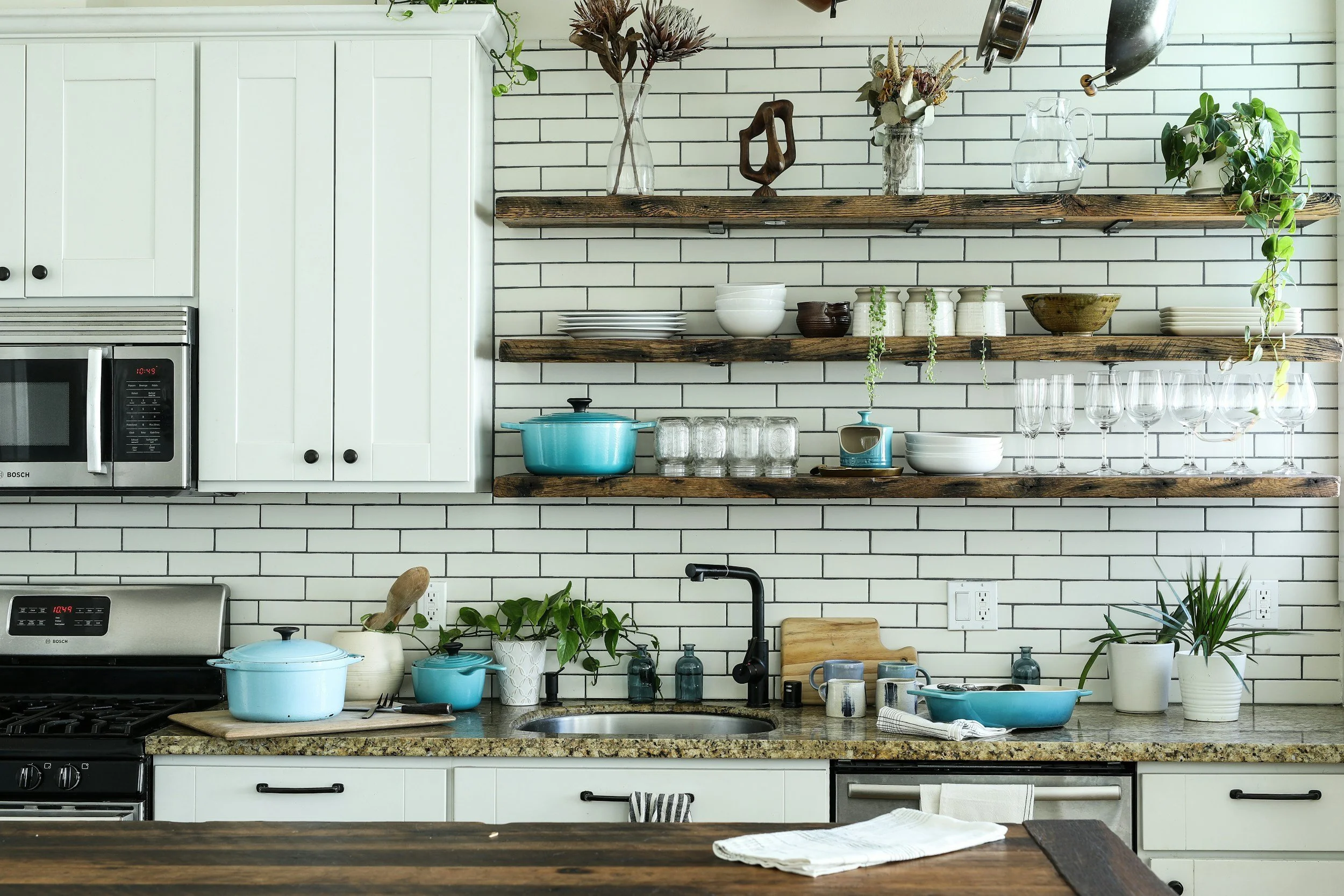
The kitchen generates more household plastic waste than any other room. Here's some ideas on what to swap and what to replace it with.
| Plastic Item | Plastic-Free Alternative |
|---|---|
| Cling wrap | Beeswax wraps |
| Zip-lock bags | Reusable silicone bags |
| Plastic food containers | Glass or stainless steel containers |
| Plastic chopping board | Wooden board |
| Plastic sponge | Cellulose sponge or bamboo brush |
| Plastic water bottles | Stainless steel or glass bottle |
| Non-stick plastic-coated cookware | Cast iron, stainless steel, or ceramic |
| Plastic cling wrap for bowls | Reusable silicone bowl covers |
| Plastic produce bags | Cotton tote or mesh produce bags |
| Plastic utensils | Wooden utensils or silicone |
More to follow soon….
The bathroom
The bathroom is the second biggest source of household plastic — and also where you have direct daily skin and body contact with plastic packaging.
| Plastic Item | Plastic-Free Alternative |
|---|---|
| Plastic toothbrush | Bamboo toothbrush |
| Shampoo bottle | Shampoo bar |
| Conditioner bottle | Conditioner bar |
| Plastic floss container | Silk floss in glass/metal dispenser |
| Plastic loofa | Natural sisal or cotton scrubber |
| Plastic nail brush | Wood and bamboo brush |
| Disposable plastic razor | Safety razor with steel blades |
| Plastic makeup remover pads | Reusable cotton rounds |
| Body wash bottle | Bar of soap |
| Toothpaste tube | Bulk refill glass jar of paste or tablets |
Our sources
We want to be transparent about where our facts and data have come from. In a world of ‘fake news’ and AI, its good to be clear about information, so that you can trust it.
Consumer Sustainability Survey (2025) - Australian Packaging Covenant Organisation (APCO)
10 Worst Single-Use Plastics and Eco-Friendly Alternatives - WWF-Australia
Public Demand for Plastic-Free Products Reaches Historic Highs (2025) - The Greener Tech Group
Plastic Free Future - Greenpeace Australia Pacific
Plastic Ban Australia 2025 - Sustainable Works Australia
Woolworths plastic free - https://www.woolworthsgroup.com.au/au/en/our-impact/sustainability/waste-and-circularity.html
New trial for soft plastics recycling - https://www.abc.net.au/news/science/2025-09-12/soft-plastics-recycling-woolworths-coles-aldi-trial/105756840
Research commissioned by the WWF and the Plastic Free Foundation shows that 85% of Australians want to reduce their use of disposable plastics. The desire is there. What most of us need is a clear, manageable starting point.
Your home is the best place to begin. Not because individual action solves everything — it doesn't, and policy change matters enormously — but because the home is where you have the most control, where the health benefits are most direct, and where small changes compound into meaningful habits.
Look at our other product examples and blogs for inspiration.