
What is plastic actually doing to our health?
An Australian perspective
We've known for years that plastic is bad for the ocean. But a growing body of research — much of it published in the last two years — is revealing something more personal and more urgent: plastic is getting inside us. Here's what the science actually says.
Where Does Plastic End Up in the Body?
Microplastics are defined as plastic particles smaller than 5mm. Nanoplastics are even smaller — invisible to the naked eye, small enough to be measured in nanometres and capable of passing through biological membranes that larger particles cannot.
They enter the body through three main pathways: ingestion (food, water, and drinks), inhalation (airborne particles in indoor and outdoor environments), and skin contact. Once inside, the smallest particles can cross barriers previously thought to be protective — including the blood-brain barrier.
The list of human organs and tissues in which microplastics have now been detected reads like an anatomy lesson: blood, lungs, liver, kidney, colon, testes, breast milk, placenta, urine, semen, and, most recently, the brain.
A 2025 Australian review published in Current Problems in Science and Engineering (UNSW's SMaRT Centre, led by researchers Rumana Hossain, Anirban Ghose, and Veena Sahajwalla) confirmed the widespread presence of microplastics across Australian environments — in indoor air, road dust, freshwater, marine water, and living organisms — and described their effects on humans as a pressing public health concern requiring urgent national policy responses.
The brain
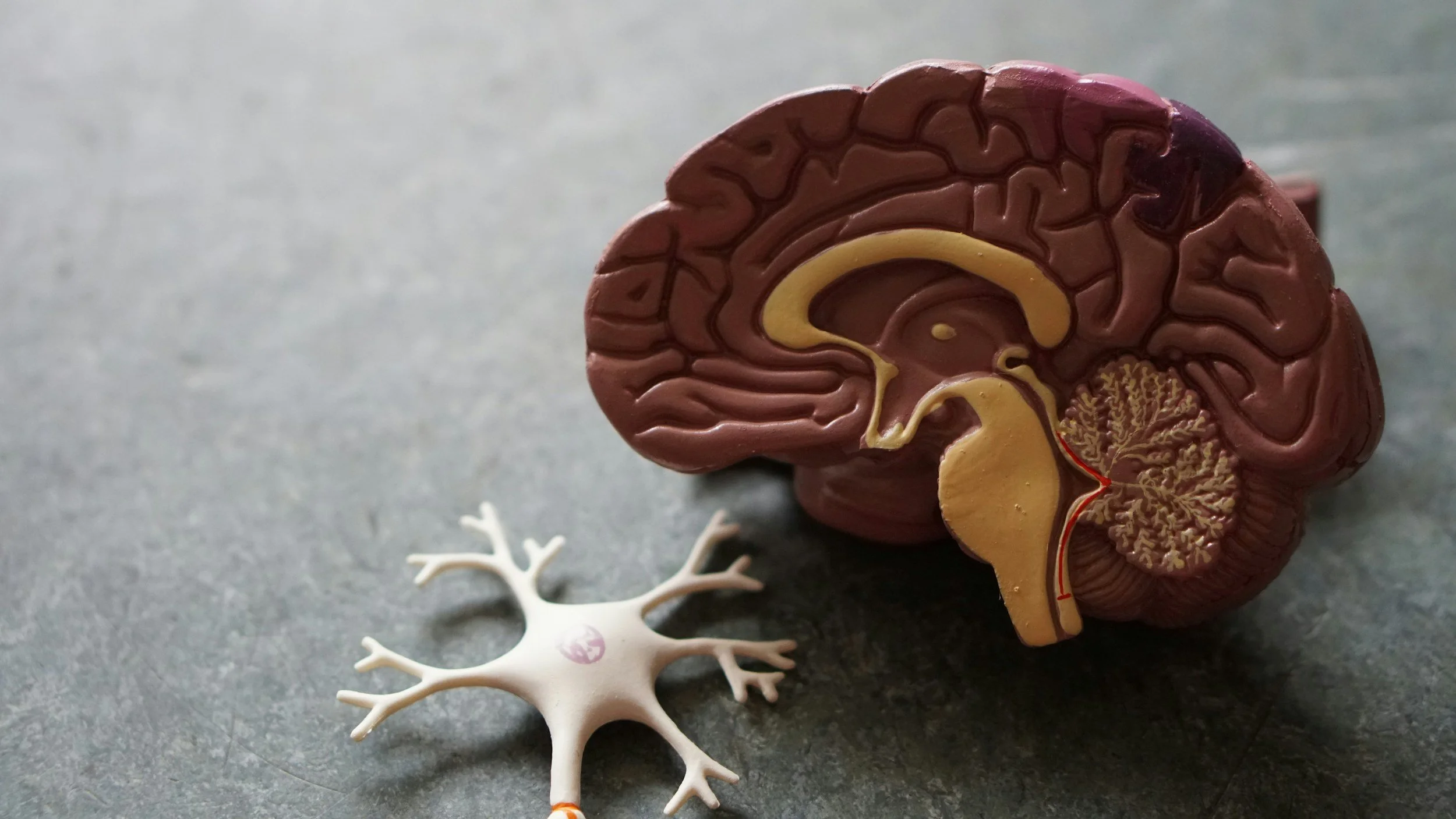
Perhaps the most alarming recent finding comes from a study published in Nature Medicine in February 2025 by researchers at the University of New Mexico. Examining brain, liver, and kidney tissue samples from autopsies conducted in 2016 and again in 2024, they found microplastics and nanoplastics present in all samples — but in significantly higher concentrations in the brain than in any other organ. Brain tissue showed concentrations 7 to 30 times higher than liver or kidney tissue.
More concerning still: the amount of plastic found in brain samples increased by approximately 50% between the 2016 and 2024 samples, suggesting accumulation is accelerating in line with global plastic production. The plastic particles found in the brain were mostly tiny shards of polyethylene — the same polymer used in plastic bags and food packaging.
The lead researcher, Professor Matthew Campen, described the microplastics found in the brain as acting like "Trojan horses — they carry with them all the thousands of chemicals that are in plastics and some of these chemicals are very bad actors."
It is important to note that this study has attracted some scientific scrutiny. Professor Oliver Jones of RMIT University in Melbourne — one of Australia's leading experts in environmental chemistry — cautioned that the study's sample sizes are limited and that the primary analytical method (pyrolysis gas chromatography-mass spectrometry) can, under some circumstances, produce false positives when analysing brain tissue, which is high in fats that can mimic plastic polymers. He called for further, more robust research before firm conclusions are drawn.
The Australian Academy of Science has similarly noted in a formal submission to a federal parliamentary inquiry that the evidence base for human health impacts of microplastics remains limited and uncertain, with major gaps in exposure data and measurement methods — while affirming that microplastics are "suspected to harm human health."
The study cannot prove that microplastics caused the adverse outcomes — it is observational, not experimental — and the authors acknowledged that other unmeasured factors may be involved. But a commentary published in JACC: Advances in 2025, reviewing this and related evidence, concluded that the field is rapidly moving toward treating microplastics and nanoplastics as "a novel risk factor for cardiovascular disease."
The heart
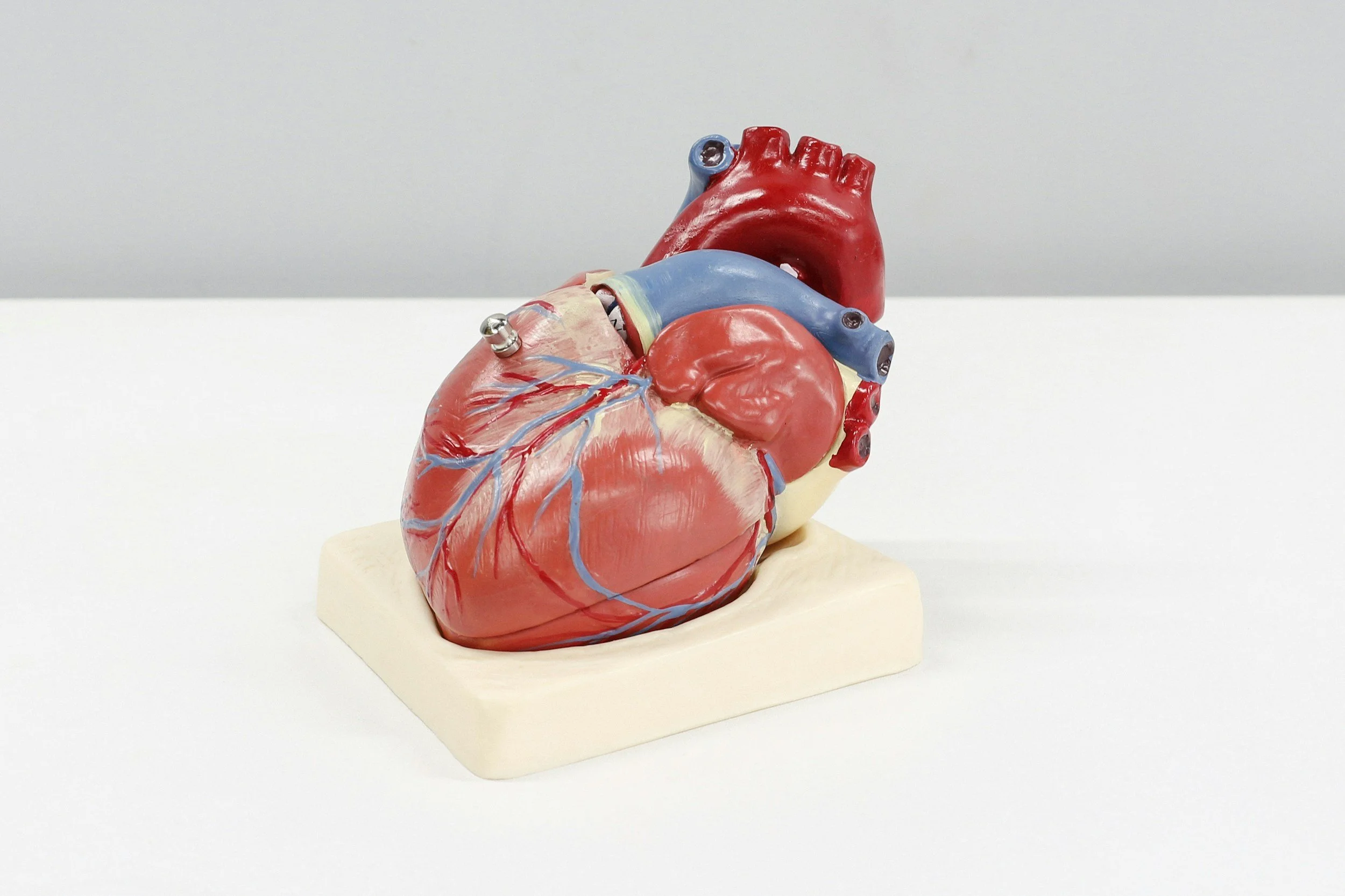
The most significant cardiovascular finding to date was published in the New England Journal of Medicine in March 2024, by Dr Raffaele Marfella and colleagues at the University of Campania in Italy — the first study to directly link microplastics and nanoplastics inside the human body to measurable health outcomes.
The researchers examined plaque removed from the carotid arteries of 312 patients undergoing surgery. They found microplastics and nanoplastics in more than half of the plaque samples. Over the following 34 months, patients whose plaque contained detectable plastic particles had a 4.5 times greater risk of heart attack, stroke, or death compared to those whose plaque did not.
The types of plastic found were polyethylene and polyvinyl chloride — materials found in everyday packaging and household items. The researchers also found higher levels of inflammatory markers in patients with plastic-embedded plaque, suggesting a mechanism by which plastic may promote the arterial inflammation that drives cardiovascular disease.
Reproduction and Hormones
This was the topic in the recent Netflix series, The Plastic Detox. Where participants in a research study tried to reduce plastics around their home, in order to improve their fertility, with astounding results (sorry, spoiler alert!).
Of the more than 13,000 chemicals associated with plastics and plastic production, over 3,200 have been identified as substances of potential concern — including substances with carcinogenic, mutagenic, reproductive toxicity, and endocrine-disrupting properties. The most studied of these are bisphenol A (BPA) and phthalates — chemicals used in the manufacture of many plastics that are known to interfere with hormonal function by mimicking or blocking natural hormones in the body.
A rapid systematic review published in Environmental Science & Technology in 2024, co-authored by researchers from the University of Sydney and the University of California in San Francisco, rated the overall quality of evidence that microplastic exposure adversely impacts sperm quality as "high," and similarly rated evidence for immune suppression in the digestive system as "high." The review found that microplastic exposure is "suspected" to adversely impact reproductive and digestive health.
Microplastics have been found in human placental tissue, where they may interfere with nutrient transfer and immune modulation during pregnancy. They have also been detected in human breast milk and testes. Research indicates that plastics can disrupt the hypothalamic-pituitary-gonadal (HPG) axis — the hormonal pathway that governs reproductive function — and interfere with spermatogenesis in males and ovarian function in females.
Inflammation and cancer risk
This was the area that interested us the most, with Sean’s bowel cancer diagnosis, but there really isn’t enough scientific evidence out there yet.
A 2025 review published in Frontiers in Public Health looked at current evidence on the mechanisms by which microplastics cause cellular damage, concluding that they induce inflammatory responses, oxidative stress, and cellular damage that may contribute to a range of diseases.
A 2025 review in Microplastics (MDPI) similarly found that polystyrene, polypropylene, and polyethylene microplastics cause inflammation in the respiratory and gastrointestinal systems, compromise immune function, and may increase the risk of cardiovascular disease, neurotoxicity, and cancer.
The review noted that the endocrine-disrupting properties of plastic-associated chemicals may also elevate cancer risk, though direct causal evidence in humans is not yet established.
So, we don’t yet know, it seems. We need more research.
It is important to be honest about the limits of current knowledge. Microplastics research is a rapidly evolving field, and significant uncertainties remain.
Most human studies to date are observational, meaning they show associations between microplastic exposure and health outcomes but cannot establish direct causation. Most experimental evidence on mechanisms comes from animal and cell studies, whose relevance to humans at real-world exposure levels is not fully established.
What can be said with confidence is this: microplastics are present in the human body, their concentrations appear to be increasing over time, and the body of evidence suggesting they are harmful is growing rapidly..
What we don’t yet know…
So we don’t yet know the extent of the harm caused by plastics. But we do know they are present in the body, and obviously, in our environment.
The most effective actions you can take are the everyday plastic-free choices covered in this website — reducing food contact with plastic, avoiding heating food in plastic containers, switching to reusable drink bottles and not using single use coffee cups. As Professor Campen from the University of New Mexico said: "When you heat plastic, that accelerates the movement of microplastics out of the wrapping into the food."
The science is still developing. But the precautionary case for reducing plastic exposure — at home, in the kitchen, and in what we eat and drink — has never been stronger.
What you can do
Research commissioned by the WWF and the Plastic Free Foundation shows that 85% of Australians want to reduce their use of disposable plastics. The desire is there. What most of us need is a clear, manageable starting point.
Your home is the best place to begin. Not because individual action solves everything — it doesn't, and policy change matters enormously — but because the home is where you have the most control, where the health benefits are most direct, and where small changes compound into meaningful habits.
Look at our other product examples and blogs for inspiration.
We want to be transparent about where our facts and data have come from. In a world of ‘fake news’ and AI, its good to be clear about information, so that you can trust it.
Our sources
Microplastic pollution - www.sciencedirect.com/science/article/pii/S2666016424004304
Microplastics in human brains - www.nature.com/articles/s41591-024-03453-1, www.sciencemediacentre.org/expert-reaction-to-a-study-investigating-the-accumulation-of-microplastics-in-human-organs/
Spoon of nanoplastics in human brain samples - www.cnn.com/2025/02/03/health/plastics-inside-human-brain-wellness/index.html
Impact of microplastic on human health - science.org.au/our-work/science-advice-policy/submissions-government/submission-impact-microplastics-other-toxics-human-health, https://pmc.ncbi.nlm.nih.gov/articles/PMC12213550/
Microplastics and heart health - www.nejm.org/doi/full/10.1056/NEJMoa2309822, www.jacc.org/doi/10.1016/j.jacadv.2024.101510
Impact of microplastics on reproductive health - www.sciencedirect.com/science/article/abs/pii/S0048969724033242, https://pubs.acs.org/doi/10.1021/acs.est.3c09524
Please note: This post is for general information purposes. If you have concerns about your health, please consult a qualified medical professional.