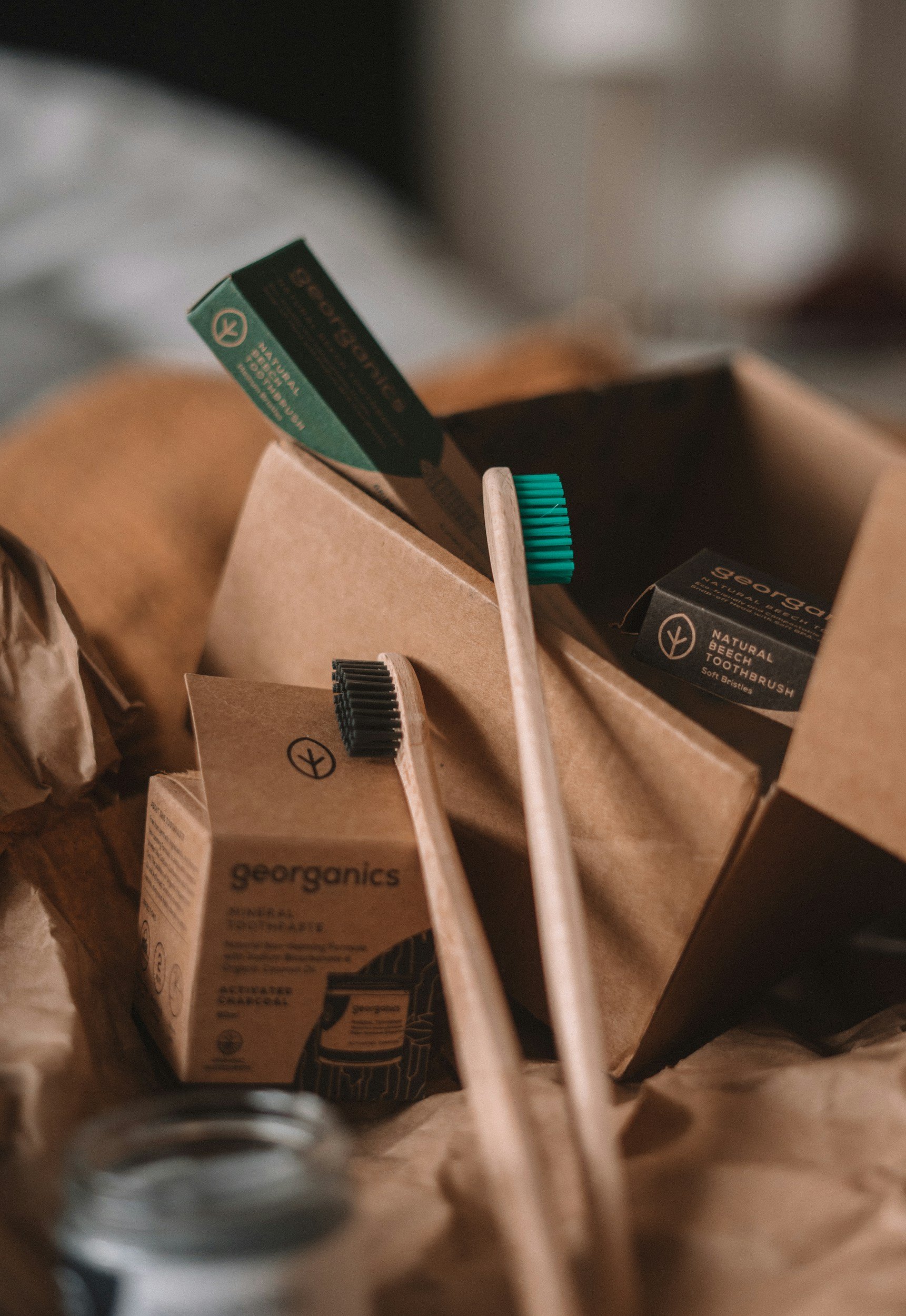
Worried about how many plastics are in your home? Seen the news about the increase in microplastics being found in humans?
So were we!
We built this site to help Australians search for better solutions.
Did you know - Australians have the highest per capita consumption of single-use plastic in the world!
If you’ve ever wondered whether your household’s plastic use really makes a difference, the numbers might surprise you.
We are, per person, the world’s biggest single-use plastic consumers. On average, we each use around 60kg of single use plastic every year - that’s more than any other country - including the US!!
But, we all use the yellow recycling bins at home - so we must be doing alright? It all gets recycled doesn’t it?
Sadly no, according to the Australian Government Department of Climate Change, Energy, the Environment and Water (DCCEEW), only 13% of plastic waste is actually being recycled at the moment - with the rest sent to landfill.
Part of the problem is infrastructure - we don’t have enough capacity to reprocess the amount of plastic we are all using. Australia generates approximately 3 million tonnes of plastic waste every year. A government report found that in 2024, we could reprocess 600,000 tonnes of plastic each year - so that’s a big gap.
Some schemes like the South Australian container deposit scheme and the Containers for Change are helping - but household choices matter.
That’s part of the reason why we’ve built this site.
We aren’t selling products, we are not a retail business, just sharing information and products we have bought ourselves. That makes us different.
Who We Are
We are Sean and Deb, a middle aged couple, living in Geelong, Victoria.
We always thought we made good choices when it came to the environment and our health. Yes we like a drink, but we are both active and eat well. We got annual health checks, and did all the screening tests when they came around.
So, Seans diagnosis was a shock. At fifty-six, he got the news no one wants to hear: bowel cancer.
Sean had always eaten clean, exercised, slept well—did everything “right.” So when the diagnosis hit, we couldn’t help but ask: what went wrong?

Like a lot of us, we’d seen the headlines—microplastics everywhere, sneaking into food, water, even our bodies. Turns out, recent studies are starting to connect the dots: tiny plastic particles showing up in tumors, messing with cells, maybe even playing a role in cancers like Sean’s. The oncologists at our local cancer centre, nutritionists at Bowel Cancer Australia (who were amazing), and even the local GP agreed - it’s definitely playing a part.
It’s not proven cause-and-effect yet, but it’s enough to make you pause.
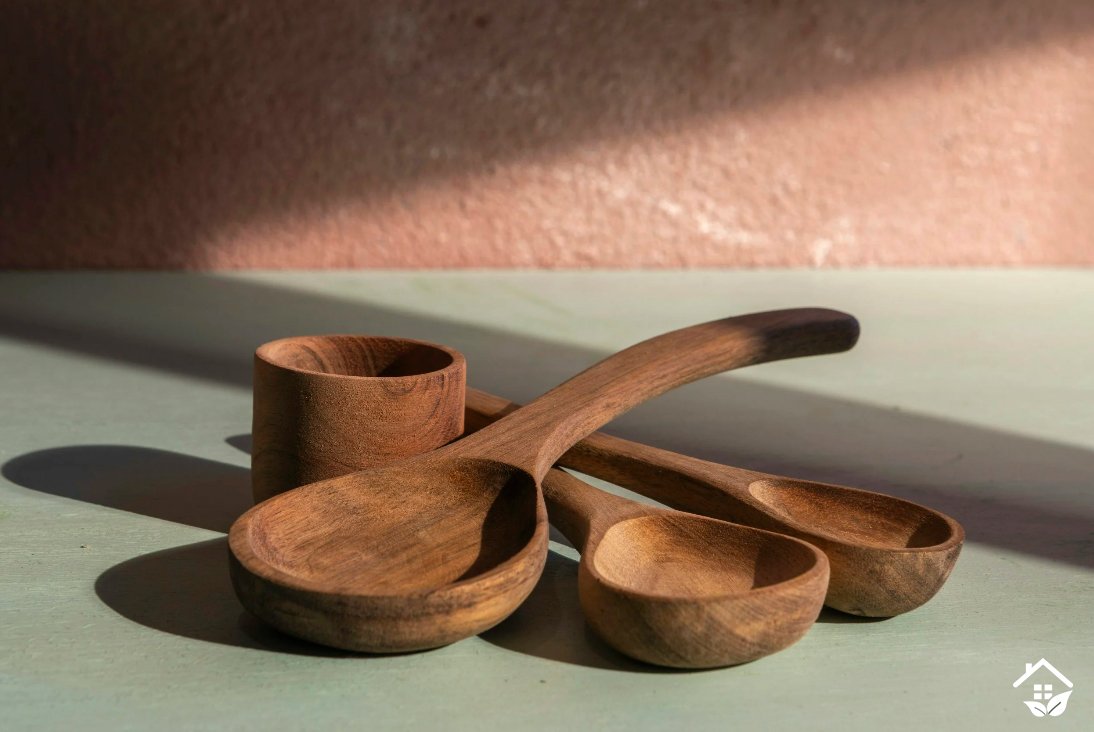
We didn’t wait for perfect answers. We started small—swapping plastic utensils for wood, and heating our food in glass rather than plastic containers. Nothing drastic, just practical swaps that didn’t cost the earth, but felt good.
And honestly? It changed more than our kitchen. It gave us back some control.
Improving health is the other reason for building this site. We’re not experts or activists. We’re just two people who got scared, got curious, and decided to live cleaner. If you’re here, maybe you’re asking the same questions.
Welcome—we’re glad you’re with us.
Not sure where to start?
We’ve researched a few key items that you could swap out easily.
Reducing plastic can help your health, and will definitely help the environment.
Want to know more? Read our blogs
-
It’s a good point. Many people don’t start as it just seems impossible. We felt the same, but started with a few key items, ones related to heat, that may affect health more, and to be honest, we are still going!
-
With a limited amount of research so far, its hard to know. More studies are coming out every year, and research in animals is certainly finding issues already.
-
How did we get to be one of the highest users of plastic in the world? That fact was really surprising.
-
We understand. Cost of living is just sky high right now. Rate rises aren’t helping. We all have to be mindful of waste and value for money. We looked at where the savings can be made, and alternatives to buying brand new as well, to suit different types of households.
-
We know that supermarkets are a big part of Aussie grocery shopping and spend. But there is still so much plastic in our weekly shop. We can be powerful when we spend on the right things, encouraging them to look for better products.
-
According to the WWF - if we lined up all the takeaway coffee cups used each year in Australia they would stretch around the world… twice!
Here’s how to remove the plastic from your daily caffeine fix.
-
Here is the latest list of items that are no longer made or sold in Australia. This is a positive step in the right direct. We really want this to grow!
Plastics banned in Australia right now.
-
This was a tough one! We loved our pod coffee machine. We knew it was bad for the environment and pods hard to recycle, didn’t even think about the harm to our health. Once we realised, it was an easier change to make.
-
Its hard enough to make changes for just two of us, we can’t imagine how hard it is for bigger households. But there are some things that will help.
-
Course we can!
Here is our ultimate guide to going plastic free if you want to go all the way, room by room. This lists up to 20 things in each area of the house, and will grow over time as more items are found.